

Are you tired of the thermostat wars in your house? Or maybe you’re frustrated by certain rooms that are always too hot while others feel like a freezer. These common household problems are exactly what modern home technology is designed to solve. Instead of just reacting to the temperature, smart HVAC systems learn your family’s schedule and preferences to proactively manage your home’s climate. They can eliminate hot and cold spots, improve your indoor air quality, and cut down on wasted energy. Let’s explore how these systems provide a new level of personalized comfort and efficiency for your home.
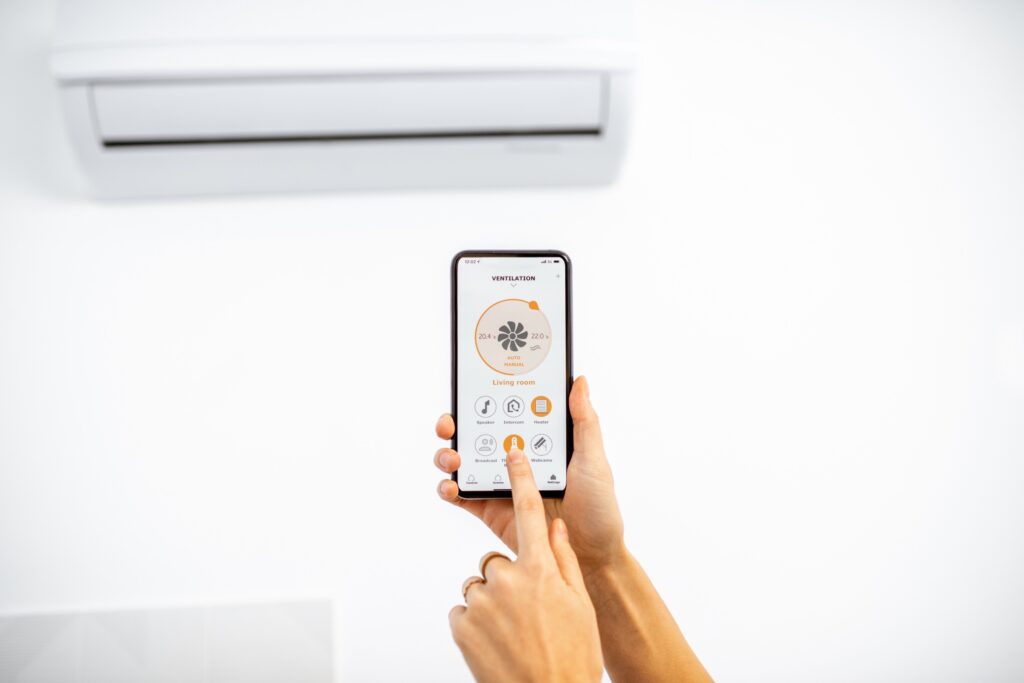 In a world where technology rapidly transforms our daily lives, home automation stands at the forefront, promising unparalleled convenience, efficiency, and control. At the heart of this evolution is integrating smart HVAC systems—an innovation set to redefine how we experience comfort in our homes.
The Rise of Smart Home Automation
The concept of smart home automation has captured imaginations worldwide, offering a glimpse into a future where our living spaces anticipate our needs. This trend is fueled by advancements in technology, connectivity, and consumer desire for enhanced living experiences. But what does this mean for the humble HVAC system? The key to understanding smart home automation lies in its ability to create an ecosystem where devices work harmoniously. This ecosystem extends beyond convenience and efficiency; it influences energy consumption and environmental impact. For homeowners in McKinney, Texas, exploring HVAC maintenance plans or finding the best HVAC company is part of this growing trend as more people recognize the benefits of a seamlessly integrated system.
From Manual Controls to IoT Integration
Remember the days of manually adjusting a simple dial on the wall? We’ve come a long way. The shift to smart HVAC systems completely changes how we manage home comfort and control. These modern systems use an internet connection and advanced technology to learn your family’s habits and preferences. Instead of just reacting to the temperature, they anticipate your needs, automatically adjusting to create the perfect environment while saving energy. This integration with the Internet of Things (IoT) is a core part of home automation, allowing you to manage your heating and cooling from a smartphone app or with simple voice commands. Even better, smart systems can offer proactive maintenance alerts, flagging potential issues before they turn into costly repairs. This makes it easier than ever to keep your system running smoothly with a preventative maintenance plan.
Understanding Smart HVAC Systems
Smart HVAC systems are the new frontier in residential climate control. Unlike traditional systems, these state-of-the-art solutions offer more than just heating and cooling. They incorporate sensors, machine learning, and connectivity features that allow homeowners to monitor and adjust their home environment remotely. One of the standout features of smart HVAC systems is their ability to learn and adapt to your lifestyle. Imagine your HVAC system adjusting itself based on the time of day, outdoor weather conditions, or even your preferences. This adaptability doesn’t just enhance comfort—it optimizes energy usage, reducing costs and environmental footprint. For residents of McKinney, TX, where summer heat can be intense, having a smart HVAC system means more than just comfort. It translates to energy savings and efficiency—a crucial factor for anyone considering HVAC maintenance plans or seeking the best HVAC company in the area.
Core Components: More Than Just a Thermostat
When we talk about a smart HVAC system, it’s easy to think it’s all about a fancy new thermostat on the wall. While the thermostat is a key player, a truly smart system is much more. It’s an interconnected network of advanced technology that uses an internet connection to make your home more comfortable and energy-efficient. This system gathers information from sensors placed throughout your home, analyzes it using intelligent programming, and automatically adjusts your heating and cooling without you having to lift a finger. It’s this constant communication and self-adjustment that sets it apart, creating a responsive environment that anticipates your needs and saves on energy bills.
The Smart Thermostat: Your System’s Command Center
The smart thermostat is the heart of your system’s user experience—it’s the command center. Connecting directly to your home’s Wi-Fi, it functions like a highly advanced programmable thermostat. It uses sensors, learns your daily routines, and even considers the local weather forecast to maintain the perfect temperature, humidity, and airflow. The best part? You have complete control from anywhere through a smartphone app. Whether you’re on vacation or just on your way home from work, you can adjust your home’s climate remotely. This level of control is a cornerstone of modern home automation, making your life simpler and your home more efficient.
Key Features: Geofencing, Zoning, and Variable Speed Compressors
Smart HVAC systems come packed with features designed for ultimate comfort and efficiency. Geofencing uses your smartphone’s location to know when you’re leaving or heading home, automatically adjusting the temperature so you save energy while you’re away and arrive to a comfortable house. Zoning systems take this a step further by allowing you to control the temperature in individual rooms or zones, finally putting an end to hot and cold spots. This is especially effective with solutions like ductless AC. Additionally, many new systems feature variable-speed compressors that, instead of just running at full blast, adjust their speed to precisely match your home’s needs, saving significant energy and maintaining a more consistent temperature.
What is Communicating Technology?
Communicating technology is what makes a smart HVAC system truly brilliant. Instead of having the “brain” only in the thermostat, this technology embeds intelligence directly into your furnace and air conditioner. A specialized circuit board inside your equipment constantly gathers data on performance, airflow, and temperature. It then uses this information to make micro-adjustments, ensuring every component works together in perfect harmony for peak efficiency. This self-monitoring capability also allows the system to diagnose potential issues before they become major problems, making service calls quicker and more accurate. It’s a key reason why regular preventative maintenance is so effective with these advanced systems.
Advantages of Smart HVAC Integration
Integrating smart HVAC systems into home automation offers a myriad of benefits that extend beyond convenience. The most immediate advantage is control. With a smart HVAC system, you can manage your home’s climate from anywhere using a smartphone or voice commands. Whether you’re at work or on vacation, your system is just a tap away. Energy efficiency is another significant benefit. Smart HVAC systems are designed to optimize energy usage by learning your habits and adjusting settings accordingly. This not only helps reduce your carbon footprint but also lowers utility bills—a win-win for both you and the environment. Additionally, smart HVAC systems provide enhanced air quality management. With features like advanced air filtration and humidity control, these systems ensure your home maintains an optimal indoor environment. This is particularly beneficial for those with allergies or respiratory conditions, as the system can actively improve air quality.
Who Benefits Most from a Smart HVAC System?
While nearly everyone can appreciate the comfort and convenience of a smart HVAC system, certain homeowners will find the upgrade particularly life-changing. If you’re a tech enthusiast who loves creating a connected home, the ability to manage your climate with a tap on your phone or a simple voice command is a major plus. For families with busy, unpredictable schedules, a system that learns your habits and adjusts automatically means one less thing to worry about. Imagine coming home from a late practice or meeting to a house that’s already at the perfect temperature. It adapts to your lifestyle, providing peace of mind and ensuring your home is always comfortable right when you need it to be.
Budget-conscious households also stand to gain significantly from a smart HVAC system. It’s more than just a convenience; it’s a powerful tool for managing energy consumption. By learning your patterns and optimizing performance to run only when necessary, these systems can lead to noticeable savings on your monthly utility bills. Over time, these savings can help offset the initial investment, making it a wise financial decision for anyone looking to reduce their home’s running costs and environmental footprint. If you’re ready to see how a modern system can impact your budget, exploring a new HVAC installation is the perfect first step toward a more efficient home.
Finally, anyone focused on health and wellness will find immense value in a smart system’s air quality features. These advanced units go beyond simple temperature control, offering superior air filtration and humidity management to create a healthier indoor environment. This is especially beneficial for family members with allergies, asthma, or other respiratory sensitivities, as the system actively works to reduce airborne irritants like dust, pollen, and dander. By managing the air you breathe, a smart system becomes a proactive tool for your family’s well-being. For even greater peace of mind, you can supplement your system with dedicated air quality products to ensure your home’s air is as clean as possible.
Enhanced Comfort and Convenience
The promise of enhanced comfort and convenience is perhaps the most compelling reason homeowners opt for smart HVAC systems. Imagine entering a home that’s already at your preferred temperature, with air quality optimized for your health and well-being. Thanks to the intuitive design of smart HVAC systems, adjusting settings is easier than ever. Many systems come with user-friendly apps that allow you to make changes with just a few taps. Whether you want to warm up the house before you arrive or cool it down for bedtime, convenience is always at your fingertips. For families with varying schedules and preferences, this personalization ensures everyone enjoys a comfortable living space. And because these systems are constantly learning, they evolve alongside your lifestyle, providing a tailored living environment.
Precise Temperature Control with Zoning and Smart Vents
One of the most practical ways smart HVAC systems deliver personalized comfort is through zoning and smart vents. Think about it: does your upstairs get much warmer than your downstairs in the summer? Zoning solves this by dividing your home into distinct areas, each with its own temperature controls. This means you can keep the living room cool for movie night while setting a warmer temperature in the baby’s nursery. Smart vents take this a step further by automatically opening or closing to direct conditioned air precisely where it’s needed, eliminating hot and cold spots for good. This level of control not only maximizes comfort for everyone in the house but also significantly improves energy efficiency. You’re no longer wasting money cooling rooms that no one is using, which is a smart move for both your wallet and the environment. For homes that need this kind of targeted comfort, solutions like ductless AC systems offer an excellent way to create specific zones without major renovations.
Improved Indoor Air Quality
When we think about home comfort, our minds usually jump straight to the temperature on the thermostat. But what about the air we’re actually breathing? The quality of your indoor air plays a massive role in your family’s health and overall well-being, especially for those with allergies or asthma. Smart HVAC systems go beyond simple heating and cooling to actively manage and improve your home’s air. They create a healthier living space by addressing invisible elements like allergens, humidity, and chemical pollutants that can impact how you feel every day. This transforms your system from a simple appliance into a guardian of your home’s environment, turning your house into a true sanctuary.
Monitoring Humidity, VOCs, and Airborne Particles
A smart HVAC system acts as a vigilant guardian for your home’s air, constantly monitoring levels of humidity, airborne particles like dust and pollen, and even volatile organic compounds (VOCs). VOCs are invisible gases released by common household items like paints, cleaning supplies, and new furniture. The system keeps track of these elements in real-time, providing you with a clear picture of your indoor environment. If it detects high humidity that could lead to mold, or a spike in allergens during peak season in Texas, it can automatically adjust airflow or send an alert to your phone, suggesting it’s time to change a filter or run a ventilation cycle. This proactive approach helps you maintain a consistently healthy atmosphere inside your home.
Integrating Air Cleaners, Humidifiers, and Ventilators
One of the most powerful features of a smart HVAC system is its ability to serve as a central hub for all your air quality products. It doesn’t just work in isolation; it integrates seamlessly with whole-home air cleaners, humidifiers, dehumidifiers, and ventilators to create a comprehensive solution. For instance, the system can detect dry winter air and automatically activate your humidifier to reach the optimal level. During allergy season, it can ramp up the air purifier to capture more pollen and dander. This intelligent coordination ensures all your equipment works together efficiently, providing a level of air quality management that standalone devices simply can’t match, making your home healthier and more comfortable year-round.
Energy Efficiency and Cost Savings
Energy efficiency is a major selling point for smart HVAC systems. These systems are engineered to minimize energy waste, making them an attractive option for eco-conscious homeowners. By monitoring energy usage patterns, smart HVAC systems can make real-time adjustments to improve efficiency. This leads to cost savings over time. While the initial investment in a smart HVAC system might be higher than traditional models, the long-term savings on energy bills make it a worthwhile investment. When considering HVAC maintenance plans in McKinney, TX, it’s important to choose a system that aligns with your energy-saving goals. Incorporating smart technology into your HVAC system also allows you to take advantage of energy pricing fluctuations. Some systems can automatically adjust energy consumption based on peak and off-peak rates, further optimizing savings and efficiency.
How Much Energy Does an HVAC System Use?
It might surprise you to learn just how much work your HVAC system does. Your heating and cooling system is responsible for nearly 40% of your home’s total energy consumption. In the DFW area, where our summers demand constant cooling and winters can bring unexpected freezes, that percentage can feel even more significant when the utility bill arrives. This makes having an efficient system not just a luxury, but a financial necessity. A smart HVAC system is specifically designed to manage this heavy energy load, working intelligently to keep you comfortable without wasting electricity, which is a huge step up from older, less efficient models.
Potential Savings on Your Energy Bills
The primary appeal of a smart system is its potential to lower your monthly expenses. The U.S. Department of Energy estimates you can save up to 10% on heating and cooling costs annually just by setting back your thermostat 7-10°F for eight hours a day. A smart system automates this process by learning your daily routines and adjusting the temperature for you, so you’re not cooling an empty house. It optimizes energy usage based on your habits, which not only reduces your carbon footprint but also provides tangible savings. This intelligent adaptation is what makes home automation such a powerful tool for managing household costs effectively.
Understanding the Initial Investment Costs
It’s true that upgrading to a smart HVAC system involves an upfront investment. Installing a smart thermostat alone can range from $300 to $600, while a complete smart system overhaul might cost between $8,000 and $15,000. However, it’s helpful to view this as an investment in your home’s future value and your long-term financial well-being. The consistent energy savings can offset the initial cost over time. Plus, many homeowners find that the enhanced comfort and convenience are well worth it. To make this upgrade more accessible, we offer flexible financing options that can help you manage the cost without straining your budget.
The “$5000 Rule”: Deciding to Repair or Replace
When your current system needs a major fix, it can be tough to decide whether to repair or replace it. A helpful guideline is the “$5000 Rule.” Simply multiply the estimated repair cost by the age of your HVAC unit in years. If the total is more than $5,000, replacement is likely the more financially sound decision in the long run. If the number is less than $5,000, a repair might be a better choice. While this rule is a great starting point, it’s always best to get a professional opinion. Our expert technicians can assess your system and provide a clear recommendation to help you make an informed choice about your HVAC repair.
Smart Technology and HVAC Maintenance
Smart technology doesn’t just enhance the functionality of HVAC systems; it also revolutionizes maintenance. Predictive maintenance features are built into many smart HVAC systems, allowing for early detection of potential issues. This proactive approach to maintenance can prevent costly repairs and extend the lifespan of your system. By receiving alerts and insights into system performance, homeowners can schedule maintenance before problems arise, ensuring seamless operation year-round. For those in McKinney, choosing the best HVAC company means finding one that understands the intricacies of smart systems and offers comprehensive maintenance plans. These plans can help you maximize the benefits of your smart HVAC system, ensuring it operates efficiently for years to come.
Automated Alerts for Filter Changes and Service
Let’s be honest, remembering to change your HVAC air filter is one of those small chores that easily slips through the cracks. A smart HVAC system takes that mental load off your plate. It sends you a notification right when it’s time for a change, so you never have to guess or set a reminder. This simple alert does more than just check a box on your to-do list; it’s crucial for maintaining healthy indoor air and keeping your system running efficiently. A clean filter means better air quality for your family, which is especially important for anyone dealing with allergies or respiratory issues. It also prevents dust and debris from clogging up your system, which helps it perform at its best without working overtime.
Beyond filter reminders, these systems offer a deeper level of insight. They can monitor their own performance and alert you when it’s time to schedule professional service—often before you even notice a problem. This predictive capability is a game-changer. Instead of reacting to a sudden breakdown on the hottest day of the year, you can address potential issues proactively. This not only helps you avoid expensive emergency repairs but also extends the overall lifespan of your equipment. Enrolling in preventative maintenance plans becomes even more effective when paired with a smart system that tells you exactly when it needs a check-up, ensuring your home stays comfortable all year long.
Connectivity and Integration with Other Smart Devices
One of the standout features of smart HVAC systems is their ability to connect and integrate with other smart devices in your home. This interconnectedness creates a unified smart home ecosystem, where devices work together to enhance your lifestyle. Imagine your HVAC system communicating with your smart blinds, adjusting them to optimize natural light and temperature. Or consider the benefits of integrating with a smart speaker, allowing you to control your system hands-free with simple voice commands. By choosing a smart HVAC system, you’re not just upgrading your climate control; you’re elevating your entire home automation experience. It’s important to select devices that are compatible and can seamlessly integrate into your existing smart home setup.
Examples of Smart Home Integration
So, what does this integration look like in practice? For starters, you can connect your smart HVAC system to voice assistants like Amazon Alexa or Google Assistant. This allows you to adjust the temperature with a simple voice command, which is incredibly convenient when you’re busy or already comfortable in bed. Your system can also work with smart window blinds, which can automatically close during the hottest part of a Texas summer day to block sunlight and reduce the strain on your air conditioner. Some systems even integrate with your home security, using geofencing to detect when you leave the house and automatically switching to an energy-saving mode. These connections are the foundation of modern home automation, creating a truly responsive environment that makes your life easier and more efficient.
Privacy and Security Considerations
While smart HVAC systems offer numerous benefits, it’s crucial to consider privacy and security aspects. These systems collect and transmit data, making it essential to choose a reputable provider with robust security measures. When selecting a smart HVAC system, look for features such as data encryption and secure authentication. It’s also wise to regularly update your system’s software to protect against potential vulnerabilities. Partnering with the best HVAC company in McKinney, TX, ensures you receive expert guidance on security measures, giving you peace of mind as you enjoy the benefits of a smart home.
Protecting Your System from Cyber-Attacks
Thinking about cybersecurity for your HVAC system might sound a little intense, but keeping it secure is easier than you think. The best place to start is with your home network; securing your Wi-Fi with a strong, unique password is your first line of defense. You should also use a different complex password for the app that controls your smart thermostat and enable two-factor authentication (2FA) if it’s an option. This adds a critical security layer by requiring a second form of verification. Finally, don’t ignore software updates for your system and its app, as they often contain essential security patches. When you work with a professional team that understands these systems, you can rest easy knowing everything is configured securely from the start. If you have questions about protecting your system, our experts are always here to help.
Overcoming Challenges in Smart HVAC Adoption
Adopting smart HVAC technology isn’t without its challenges. Initial setup and compatibility can pose hurdles, especially for those new to home automation. However, these challenges are surmountable with the right resources and support. Partnering with experienced professionals can make the transition smoother. When considering HVAC maintenance plans in McKinney, TX, choose a provider that offers guidance and support throughout the installation process. Education is also key. Understanding how your smart HVAC system operates and familiarizing yourself with its features can help you make the most of your investment. With time and experience, you’ll find that the benefits far outweigh any initial challenges.
Common Installation Requirements: The C-Wire and Wi-Fi
Before you can enjoy the benefits of a smart HVAC system, there are a couple of technical details to sort out. First is the C-wire, or “common wire.” Think of it as the dedicated power line that keeps your smart thermostat running 24/7. Many newer homes already have one, but if your house is a bit older, it might be missing. Without it, your new thermostat won’t have the constant power it needs to function. The good news is that a professional technician can easily install a C-wire or an adapter. The second requirement is a stable Wi-Fi connection. Your smart system relies on Wi-Fi to communicate with your phone and other devices, so a strong, reliable signal is essential for remote access and receiving important updates.
The Challenge of Proprietary Communication Systems
One of the trickiest parts of upgrading to a smart system is dealing with proprietary communication. In simple terms, different HVAC manufacturers often design their equipment to “speak” its own unique language. This can create compatibility issues if you try to pair a smart thermostat from one brand with a furnace or air conditioner from another. They might not be able to communicate effectively, which means you could miss out on advanced features or, in some cases, the system might not work at all. This is especially true for modern “communicating” systems where the intelligence is built directly into the main units, not just the thermostat. That’s why it’s so important to get expert advice to ensure all your components will work together seamlessly. Consulting with a certified specialist can save you a lot of headaches.
Future Trends in Smart Home HVAC Technology
The future of smart HVAC systems is bright, with new advancements emerging at a rapid pace. From improved connectivity to enhanced energy management, the possibilities are endless. Innovations such as voice recognition and gesture control are on the horizon, offering new ways to interact with and control your HVAC system. Additionally, advancements in sensor technology will provide even more accurate data for improved performance. For homeowners looking to stay ahead of the curve, keeping an eye on these trends is essential. By staying informed, you can make strategic decisions about your smart home investments and capitalize on the latest advancements.
Taking the First Step Toward a Smarter Home
The integration of smart HVAC systems into home automation is a game-changer for homeowners seeking comfort, efficiency, and control. By understanding the benefits and opportunities presented by this technology, you can create a living environment that enhances your quality of life. For those in McKinney considering HVAC maintenance plans or seeking the best HVAC company, now is the perfect time to explore the possibilities of smart systems. With expert guidance, you can seamlessly integrate this technology into your home, reaping the rewards for years.
Ready to take the next step?
If you’re looking for reliable HVAC maintenance and installation services in McKinney, TX, look no further than Taylormade Heat and Air. Our team of certified technicians is dedicated to keeping your home comfortable throughout the year, no matter the season. Whether you need routine maintenance, urgent repairs, or a new system installation, we are here to help.
Frequently Asked Questions
Is a smart thermostat the same as a smart HVAC system? Think of a smart thermostat as the brain of the operation, while a smart HVAC system is the entire, coordinated body. A smart thermostat gives you remote control and learns your schedule, which is a great start. A complete smart system, however, has communicating technology built directly into the furnace and air conditioner. This allows all the components to constantly talk to each other, making fine-tuned adjustments for peak performance and efficiency that a thermostat alone can’t manage.
Will a new smart system be compatible with my existing furnace or air conditioner? This is where things can get a bit tricky. While some smart thermostats can work with older equipment, you unlock the full potential when all the components are designed to speak the same language. Many manufacturers use their own proprietary systems, so mixing brands can sometimes limit functionality. The best way to ensure seamless integration is to have a professional evaluate your current setup and recommend components that will work together in perfect harmony.
How much can I realistically expect to save on my energy bills? Savings can vary based on your home and lifestyle, but they are often quite significant. A smart system eliminates wasted energy by learning your family’s patterns and automatically adjusting the temperature when you’re away or asleep. Since heating and cooling account for a huge portion of your utility bill, these intelligent adjustments can lead to noticeable monthly savings. Over the life of the system, this efficiency makes a real impact on your household budget.
What happens if my internet connection goes down? No need to worry, your home won’t suddenly turn into an oven or a freezer. If your Wi-Fi goes out, your smart system will continue to function like a traditional HVAC system. It will maintain the last temperature setting you programmed to keep your home comfortable. You will temporarily lose the ability to make adjustments from your phone or use other internet-based features, but the core heating and cooling will keep running until your connection is back online.
Is the initial investment for a smart HVAC system actually worth it? It’s true that a smart system is a bigger upfront purchase, but it’s helpful to see it as a long-term investment in your home. The consistent energy savings over time can significantly offset the initial cost. Beyond the numbers, you’re also investing in a higher level of comfort, healthier indoor air for your family, and the simple convenience of a home that responds to your needs. For many homeowners, that peace of mind is priceless.
Key Takeaways
- Think beyond the thermostat for total climate control: A true smart HVAC system is a complete network of communicating technology and sensors that work together, learning your family’s schedule to automatically adjust for optimal comfort and efficiency.
- Customize your comfort while lowering energy bills: Features like zoning and smart vents allow you to control the temperature in individual rooms, eliminating hot and cold spots, while the system’s intelligent operation reduces wasted energy and saves you money.
- Simplify maintenance with proactive system alerts: Smart systems monitor their own performance and send you notifications for routine tasks like filter changes or when professional service is needed, helping you prevent costly repairs and extend the life of your equipment.
Related Articles
- Welcome to the Future of Comfort with Smart HVAC Systems
- Energy-Saving HVAC Upgrades To Cut Costs & Increase Comfort
- Fight Indoor Air Pollution With Smart HVAC System Solutions
- Regular HVAC Maintenance: Air Quality, Benefits & Signs

Brian Hatton is a business professional and co-owner at TaylorMade Heat and Air, a trusted, Christian-based family-owned HVAC company proudly serving the Dallas-Fort Worth metroplex with 24/7 heating and air conditioning repair, installation, and maintenance solutions. Drawing on a professional background in mergers and acquisitions alongside hands-on experience at TaylorMade, Brian brings a sharp business mindset to an industry where reliability, transparency, and expertise matter most — values that are at the core of everything TaylorMade delivers to DFW homeowners and businesses across communities like Plano, Frisco, McKinney, and beyond. Connect with Brian on LinkedIn to learn more about his commitment to bringing honest, high-quality HVAC service to North Texas.