

Has your HVAC system started making bizarre noises that have you wondering if you’re living in a haunted house? You’re not alone. Many homeowners in the DFW area face strange and unsettling sounds from their heating and cooling systems. While a gentle hum is perfectly normal, a sudden clank, squeal, or rattle is your system’s way of telling you something is wrong. Ignoring these sounds can turn a small, fixable issue into a major, expensive breakdown. This guide will help you become a noise detective, uncovering the mysteries behind common hvac noises, what they might mean, and when it’s time to call for professional help.
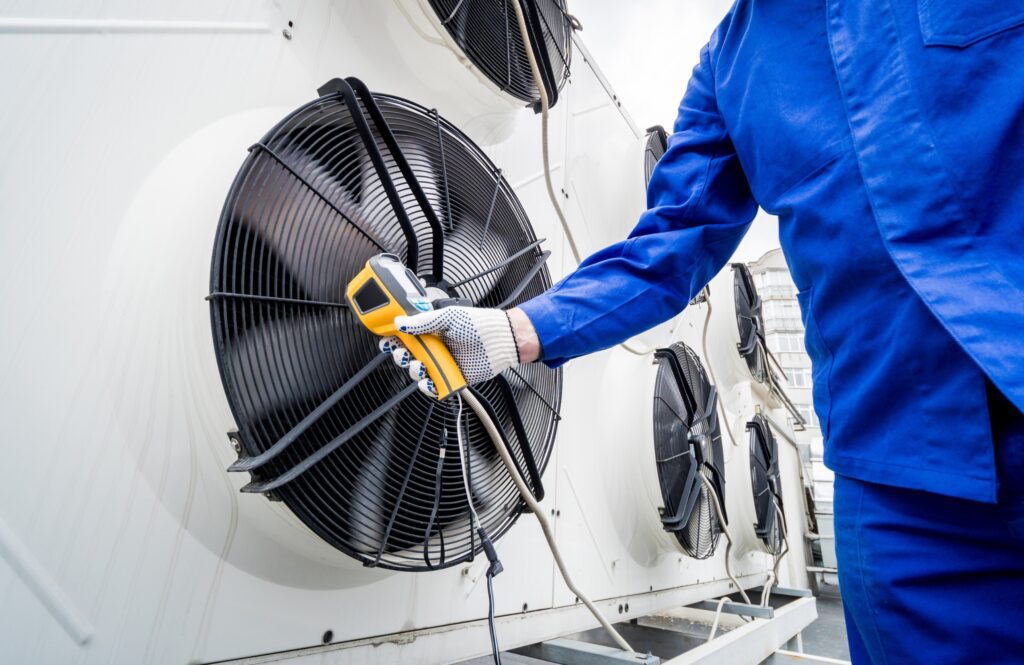 Has your HVAC system started making bizarre noises that have you wondering if you’re living in a haunted house? You’re not alone. Many McKinney homeowners face strange and unsettling sounds emanating from their heating and cooling systems. This blog post will uncover the mysteries behind these noises, what they might mean, and when you should call HVAC services in McKinney, TX.
What Are Those Strange HVAC Noises Trying to Tell You?
Your HVAC system might make a variety of noises, each indicating a different issue. Understanding the significance of these sounds can help you determine whether a professional needs to assess your system. Let’s explore what these sounds can mean:
What a Normal HVAC System Sounds Like
Before we get into the alarming sounds, let’s set a baseline. A healthy, well-maintained HVAC system should operate so quietly that you barely notice it. The most you should typically hear is a soft, low hum as it runs, along with the gentle sound of air moving through your vents. You might also hear a subtle click when the system kicks on or shuts off. These are the sounds of a system working correctly and efficiently. Anything more abrupt, loud, or persistent is usually a sign that something isn’t right. Think of that quiet hum as the sound of comfort; any deviation from it is your system’s way of asking for a little attention.
Why You Shouldn’t Ignore Strange Noises
It can be tempting to turn up the TV and hope a weird noise from your HVAC unit just goes away on its own, but that’s rarely a good strategy. Those strange sounds are early warning signs that a component is failing, loose, or broken. Ignoring a clanking or banging sound, for example, could mean a loose part is causing damage to other components inside your system. What starts as a minor issue can quickly escalate into a much more expensive problem or even a complete system breakdown. Addressing these noises promptly by scheduling a professional HVAC repair can save you from a major headache and a much larger bill down the road.
Is That a Rattling Sound? Here’s What It Means
Rattling sounds can be particularly alarming, but they are often related to loose debris or parts within the system. Sometimes, it’s a simple fix, like tightening screws or removing debris. However, persistent rattling might suggest more severe issues. Rattling could mean that your HVAC system is nearing the end of its lifespan. Components may be loosening as the system ages, leading to frequent repairs and eventual replacement. To troubleshoot rattling, start by inspecting the unit for loose debris or parts. If the rattling persists after basic maintenance, contact HVAC services in McKinney, TX, for a thorough evaluation.
Rattling and Your Furnace Heat Exchanger
When you hear a rattling noise, it’s easy to hope it’s just a loose screw. However, this sound can sometimes point to a much more serious issue with your furnace’s heat exchanger. This critical component is responsible for safely transferring heat, and it keeps combustion byproducts, like deadly carbon monoxide, completely separate from the air circulating in your home. A crack in the heat exchanger can allow these dangerous fumes to leak into your living space, posing a significant health risk to you and your family. Because of this potential danger, a rattling sound should never be ignored. It’s essential to have a professional diagnose the problem to rule out a compromised heat exchanger and ensure your system is running safely.
Why Is My HVAC System Squealing?
Squealing or squeaking can be quite irritating and often signals a problem with your HVAC system’s belts or bearings. These components wear down over time, especially if regular maintenance isn’t performed. Belts become loose and worn due to constant use. When they slip, they can create a high-pitched squeal. Replacing the belt can often resolve this issue. Bearings require lubrication to function smoothly. If they’re not properly maintained, they may cause a squealing noise. Regular maintenance can prevent bearing failure and prolong the life of your HVAC system.
A Gentle Hum or a Sign of Trouble?
A low humming noise is usually not a cause for alarm. However, if the hum is loud and consistent, it might indicate an electrical issue within the system. Faulty wiring, a failing motor, or issues with the fan can all cause humming sounds. Electrical problems can pose significant risks, including fire hazards, so it’s important to address them quickly. If the humming persists despite your efforts to troubleshoot, it’s advisable to call in professional HVAC services. They can safely examine and repair any electrical issues to restore your system to its optimal condition.
What’s That Buzzing Noise?
If you hear a buzzing sound coming from your HVAC unit, it’s a noise you shouldn’t ignore. This sound is often a red flag for an electrical issue. The culprit could be a number of things, from a failing capacitor to a malfunctioning contactor relay—which acts as a switch for your system’s motor. As home improvement experts point out, buzzing often points directly to electrical components that are starting to fail. Because these parts are under an electrical load but aren’t working correctly, the buzzing can be a warning sign of bigger problems if you let it go.
Ignoring a buzzing sound is risky. An electrical problem can cause your system to stop working entirely, often when you need it most during a Texas heatwave or a sudden cold snap. More importantly, faulty electrical components can become a safety hazard. Instead of trying to diagnose it yourself, the safest move is to have a professional take a look. A certified technician can accurately pinpoint the source of the buzz and perform the necessary HVAC repairs, ensuring your system runs safely and efficiently. This proactive step can save you from a much more expensive replacement down the road.
Hearing Clicking? When to Worry (and When Not To)
Clicking sounds are often associated with the starting and stopping of the HVAC system, and occasional clicks are normal. However, continuous clicking during operation can signal a problem. A malfunctioning thermostat or a faulty relay could be the culprit. Thermostats can become misaligned or break down over time, leading to erratic clicking. If you’re handy, you might try replacing the thermostat yourself. However, for more complex electrical issues, professional assistance is recommended to ensure the problem is resolved correctly.
What Does a Gurgling HVAC Sound Like?
Gurgling sounds can be unsettling and are typically associated with problems in the refrigerant line or drain line. When air gets trapped in these lines, it creates a gurgling noise. Refrigerant issues can lead to inefficient heating or cooling and should be addressed immediately. Gurgling can also occur if there’s a blockage or leak in the drainage system, causing water to back up. Regular maintenance, including checking and cleaning lines, can prevent gurgling noises. If they persist, consult a professional to examine the system and implement a solution.
That Awful Grinding Noise: Why You Should Act Fast
A grinding noise is a serious issue that requires immediate attention. It often indicates that the motor’s bearings are worn out, which can lead to motor failure if not addressed. Grinding can also mean there’s an obstruction in the fan blades or another internal component. These issues can cause significant damage if left unresolved. If you hear grinding, turn off your HVAC system and contact HVAC services in McKinney, TX, to prevent further damage.
Solving the Mystery of a Whistling HVAC
Whistling noises can occur due to air leaks in the ductwork or around the unit. They indicate that air is escaping from the system, leading to decreased efficiency. Inspect the ductwork for any visible signs of leakage. Sometimes, sealing these leaks with tape or foam can resolve the issue. If the whistling persists, a professional can perform a detailed inspection and repair any hidden leaks, restoring your system’s efficiency.
A Screaming HVAC Is a Cry for Help
A high-pitched screaming noise is alarming and typically indicates a refrigerant leak or high pressure within the compressor. Both scenarios require immediate attention. Refrigerant leaks can pose health risks and should be repaired by a professional. Similarly, high pressure in the compressor can lead to significant system failures if left unaddressed. If you hear a screaming noise, shut down your HVAC system and seek expert help without delay.
What’s Causing That Howling Sound?
Howling or moaning noises can be caused by wind passing through a loose vent or a gap in the ductwork. While not as dangerous as other noises, they can still be bothersome. Inspect the ductwork and vents for any gaps or loose fittings. Tightening or sealing these areas can eliminate the howling. If the noise continues, a professional inspection can ensure that your system is fully secured and operating efficiently.
Popping Sounds from Your Vents
Have you ever been startled by a sudden popping noise coming from your air vents? It can be a bit unnerving, but it’s not always a sign of trouble. Often, this sound is just the normal result of your metal ductwork expanding and contracting as warm or cool air flows through it. Think of it like the creaks and groans a house makes as it settles. This is especially common when your system first kicks on after being off for a while. However, if the popping becomes loud, frequent, or constant, it might be pointing to an underlying issue. It could be something as simple as a clogged air filter creating pressure changes, or it could signal that your ductwork is undersized for your system, causing it to flex excessively.
Hissing: A Sign of a Leak
Unlike a gentle hum, a hissing sound is one you should never ignore. This sharp, steady noise is a classic sign that something is escaping from your HVAC system, and it usually points to one of two problems. The first, and more serious, is a refrigerant leak in your air conditioner. Refrigerant is essential for cooling your home, and a leak not only hurts performance but can also lead to catastrophic compressor failure. The second possibility is a significant leak in your ductwork. While less mechanically dangerous, a duct leak allows conditioned air to escape into your walls or attic, wasting energy and driving up your utility bills. In either case, hissing means it’s time to call for a professional HVAC repair.
Clunking Noises from Inside the Unit
If you hear a heavy clunking sound when your HVAC system starts up or shuts down, it’s a clear signal that something is loose inside. This noise is often caused by an unbalanced or failing component, such as the indoor blower fan or the outdoor compressor motor. When these parts become loose, they can shift and hit other components within the unit, creating that distinct clunk. While it might seem minor at first, ignoring it is a recipe for disaster. The constant impact can cause a chain reaction of damage, turning a relatively simple repair into a major system failure. To prevent further harm, it’s best to shut down your system and have a technician inspect it as soon as possible.
Critical Sounds and Smells You Can’t Ignore
While many HVAC issues are simply inconvenient, some noises and smells are urgent warnings that signal a direct threat to your system’s health and your family’s safety. These aren’t the kinds of problems you can put on the back burner. When you encounter the sounds and odors described below, your immediate response should be to shut down your system completely, often at the circuit breaker. Acting quickly can prevent catastrophic equipment failure, expensive repairs, and, most importantly, dangerous situations like a fire or a carbon monoxide leak. These are the red flags that demand an immediate call to a professional for emergency service.
Booming: A Sign of a Serious Gas Issue
A loud boom or bang when your furnace ignites is one of the most alarming sounds you can hear. This isn’t a normal startup noise; it’s a sign of delayed ignition. This happens when gas is allowed to build up inside the combustion chamber for a few seconds before it finally ignites, causing a small, contained explosion. The root cause is often dirty burners or a faulty ignitor that isn’t lighting the gas promptly. This repeated force puts immense stress on the heat exchanger, a critical component that keeps combustion gases separate from your breathing air. A cracked heat exchanger can leak deadly carbon monoxide into your home, making this a serious safety hazard that requires immediate professional attention.
Banging: When to Shut Your System Down Immediately
If you hear a loud, repetitive banging sound that sounds like metal striking metal, shut your HVAC system off immediately at the circuit breaker. This noise is different from a startup boom; it’s a mechanical clamor that indicates a critical internal part has broken or come loose. It could be a disconnected piston, a broken connecting rod in the compressor, or a blower fan that has come apart. Continuing to run the unit in this condition will cause devastating damage as the loose part tears through the inside of your system. This is an emergency. A technician needs to diagnose the problem to determine if the unit can be repaired or if a full system replacement is necessary.
Smelling Rotten Eggs? What to Do About a Gas Leak
The smell of rotten eggs or sulfur inside your home is an unmistakable sign of a natural gas leak. Natural gas is odorless, so utility companies add a chemical called mercaptan to give it that distinct, unpleasant smell for safety. If you detect this odor, you need to act immediately, as a gas leak poses a significant risk of fire or explosion. Do not turn any lights or appliances on or off, and do not use your phone inside the house. Evacuate everyone from the building right away. Once you are a safe distance away, call 911 and your gas utility’s emergency line. After the utility company has secured the area and given the all-clear, an HVAC professional will need to locate and repair the source of the leak in your furnace or gas lines.
Burning or Oily Smells
A burning smell coming from your vents can mean several different things, and it’s important to know the difference. When you turn on your heat for the first time in the fall, it’s normal to smell a slight dusty odor as the system burns off the dust that has settled on the heat exchanger over the summer. However, if you smell something like burning plastic, rubber, or a persistent electrical odor, it could signal an overheating motor or a wiring issue, which is a serious fire hazard. Similarly, an oily or smoldering smell is not normal and could indicate a leak or another malfunction. If you notice any burning smell that doesn’t disappear after a few minutes, turn your system off at the breaker and schedule an emergency service call to ensure your home is safe.
DIY Fix or Time to Call a Pro?
Understanding HVAC noises is important, but knowing when to call in the experts is crucial. If you’re unable to resolve the issues discussed above on your own, seeking professional help is essential. Professional HVAC services in McKinney, TX, have the expertise and tools to diagnose and fix a wide range of HVAC problems, ensuring your system runs smoothly and safely. Regular maintenance from experts can prevent many common issues, prolong the life of your system, and maintain efficiency, ultimately saving you money in the long run.
Simple Checks You Can Do Yourself
Before you rush to call for backup, there are a few simple checks you can perform that might solve the noise puzzle. Start with a quick walk-around of your outdoor unit. A rattling sound can often be caused by something as simple as a loose panel, a stray twig, or a few unsecured screws. If you’re hearing a whistling or howling, take a look at any visible ductwork for obvious gaps or leaks. For gurgling noises, check the condensate drain line for any blockages that could be causing a backup. While some sounds, like squealing from a worn belt, are a clear sign to call a professional, these initial steps can often resolve minor issues. Plus, staying on top of preventative maintenance is one of the best ways to keep these strange sounds from starting in the first place. If these checks don’t do the trick, at least you’ll have more specific information to share when you make the call.
How to Find an HVAC Service You Can Trust
Choosing the right HVAC service provider is vital for ensuring your system receives the best care. Look for providers with a strong reputation, excellent customer reviews, and certified technicians. Building a relationship with a trusted local provider means you can rely on them for routine maintenance, emergency repairs, and expert advice. By partnering with HVAC services in McKinney, TX, you can rest assured that any strange noises from your HVAC system will be addressed effectively and promptly.
Simple Maintenance to Prevent Future HVAC Noises
Regular maintenance is key to preventing and addressing the strange noises that may arise from your HVAC system. Scheduling routine inspections and cleanings can help catch small issues before they become significant problems. Replace filters, check for leaks, and ensure all components are securely fastened to keep your system running efficiently. Investing in maintenance now can save you from costly repairs later. Understandably, homeowners have busy schedules. By setting reminders or subscribing to a maintenance plan with your HVAC provider, you can keep your system in top shape without hassle.
How to Make Your HVAC System Quieter
Even when your HVAC system is running perfectly, the noise can sometimes be a little much, especially if your outdoor unit is right below a bedroom window or near your patio. The constant hum or whirring can disrupt your peace and quiet. While some noises are red flags that signal a need for immediate HVAC repair, the everyday operational sounds can also be managed. The good news is you don’t have to just live with it. There are several practical steps you can take to reduce the sound and reclaim a quieter home environment. From simple additions like pads and blankets to more structural solutions like barriers and insulation, you have options.
Before you start, it’s helpful to pinpoint where the noise is coming from. Is it the outdoor condenser unit vibrating against the house? Or is the sound traveling through your air ducts and vents? Identifying the source will help you choose the most effective solution. Some fixes are simple enough for a weekend project, while others might require professional help to ensure they’re done safely and correctly. Let’s walk through a few effective ways to turn down the volume on your heating and cooling system, making your home more comfortable in every sense of the word.
Using Anti-Vibration Pads and Sound Blankets
If the noise is coming from your outdoor unit, it’s often due to vibrations. As the compressor and fan run, the entire unit can shake, and that vibration travels through the ground and into your home’s structure. An easy and effective fix is to place anti-vibration pads directly underneath the unit. These dense rubber or cork pads absorb the vibrations, stopping the noise at its source. Another great tool is a sound blanket, which is designed to wrap around the compressor—the loudest component of your AC unit. These blankets are made from sound-dampening materials and can significantly muffle the compressor’s hum. Just make sure you get one that’s specifically designed for your model to avoid blocking essential vents and causing your system to overheat.
Insulating Ductwork and Building Sound Barriers
Sometimes the noise isn’t from the unit itself but from the air moving through your home. If you hear rattling or banging sounds from your vents, it could be your ductwork expanding and contracting. Insulating your ducts can solve this problem by absorbing the sound and has the added benefit of making your system more energy-efficient. Our team at Taylormade can help with professional insulation services to quiet your ducts and lower your energy bills. For noise from an outdoor unit, you can also build a sound barrier. A strategically placed fence or hedge can block and absorb sound waves before they reach your living spaces. Just be sure to leave at least two to three feet of clearance around the unit for proper airflow and service access.
Your Next Steps for a Quieter System
Decoding the strange noises from your HVAC system is an essential skill for homeowners in McKinney. Understanding what these noises mean and when to call in professional help can save you from costly repairs and ensure your system operates efficiently. When in doubt, trust the experts. HVAC services in McKinney, TX, are ready to assist you with all your heating and cooling needs.
Considering Other Root Causes of Noise
While a specific squeal or rattle can point you in the right direction, sometimes the noise your HVAC makes is a symptom of a more general issue. Think of it as your system’s check-engine light. Often, the root cause is something simple, like a clogged air filter forcing the system to work harder, or a loose panel that just needs tightening. It could also be dirty fan blades throwing the unit off balance or even poorly insulated ducts that vibrate as air moves through them. Ignoring these sounds is like ignoring a toothache—it rarely gets better on its own and usually leads to a more complicated and expensive fix later. This is why consistent upkeep is so important. A good preventative maintenance plan can catch these small problems before they have a chance to turn into a noisy, system-wide failure, keeping your home comfortable and quiet.
Need Help with Your Noisy HVAC?
If you’re looking for reliable HVAC maintenance & installation services in McKinney, TX, look no further than Taylormade Heat and Air. Our team of certified technicians is dedicated to keeping your home comfortable throughout the year, no matter the season. Whether you need routine maintenance, urgent repairs, or a new system installation, we are here to help.
Frequently Asked Questions
My vents make a popping sound when the system turns on. Is this serious? A popping sound is usually nothing to worry about. It’s typically just the sound of your metal ductwork expanding or contracting as the temperature changes when your system kicks on or off. However, if the popping is very loud, constant, or sounds more like a bang, it could point to an issue like a clogged filter or improperly sized ducts.
What’s the difference between a noise I can monitor and one that’s a real emergency? Think of it in terms of severity. A gentle hum, a soft click when the system starts, or the occasional pop from your vents are all pretty standard. The emergency sounds are the ones that are sudden, loud, and mechanical. A metallic banging or grinding, a high-pitched scream, or a loud boom on startup are all signs you should shut the system down immediately and call for help. Any smell of gas or burning plastic also falls into the emergency category.
If I hear a strange noise, should I turn my system off right away? It depends on the sound. For loud, aggressive noises like banging, grinding, or screaming, yes, you should turn the system off at the circuit breaker to prevent catastrophic damage. For less alarming sounds like a rattle or a buzz, it’s still best to get it checked out soon, but you don’t necessarily need to shut it down that second unless it gets worse. When in doubt, turning it off is the safest choice.
Will a maintenance plan actually stop my HVAC from becoming noisy? Yes, it’s one of the most effective ways to prevent noises from starting. During a maintenance visit, a technician cleans, tightens, and lubricates all the moving parts of your system. This stops a loose screw from turning into a rattle, a dry bearing from becoming a squeal, and a dirty component from causing a strain that leads to a hum or buzz. It’s proactive care that keeps your system running quietly and efficiently.
My system isn’t making a scary noise, it’s just loud. Can anything be done about that? Absolutely. General operational noise can often be reduced. If the sound comes from your outdoor unit, anti-vibration pads can absorb the shaking that travels into your home. For noise traveling through your vents, insulating the ductwork can make a huge difference by muffling the sound of the air moving through. A professional can help pinpoint the source of the noise and recommend the best solution for a quieter home.
Key Takeaways
- Learn to interpret your HVAC’s sounds: Different noises point to different issues; for example, a rattle can mean a loose part, a squeal often indicates a worn belt, and a buzz typically signals an electrical fault.
- Know when to act immediately: Certain sounds are urgent warnings that require you to shut the system off. If you hear loud banging, booming, or hissing, or if you smell rotten eggs, turn your system off and call for emergency service.
- Prevent noises with regular maintenance: The most effective way to keep your system quiet is through consistent care. Performing simple checks yourself and scheduling professional tune-ups can stop small issues from becoming loud, expensive breakdowns.
Related Articles
- Mysterious HVAC Noises Demystified for Homeowners in McKinney
- HVAC Tips For Better Indoor Air Quality & Comfortable Living
- HVAC Preventive Maintenance: Plans, Tips & Savings

Brian Hatton is a business professional and co-owner at TaylorMade Heat and Air, a trusted, Christian-based family-owned HVAC company proudly serving the Dallas-Fort Worth metroplex with 24/7 heating and air conditioning repair, installation, and maintenance solutions. Drawing on a professional background in mergers and acquisitions alongside hands-on experience at TaylorMade, Brian brings a sharp business mindset to an industry where reliability, transparency, and expertise matter most — values that are at the core of everything TaylorMade delivers to DFW homeowners and businesses across communities like Plano, Frisco, McKinney, and beyond. Connect with Brian on LinkedIn to learn more about his commitment to bringing honest, high-quality HVAC service to North Texas.