

That moment when the monthly utility bill arrives can be a source of serious stress, especially during the peak of a DFW summer or winter. Your HVAC system is the single biggest energy consumer in your home, but you have more control over its costs than you might think. A well-maintained unit doesn’t have to work as hard to heat or cool your space, which translates directly into lower energy consumption. By performing a few key seasonal tasks, you can significantly improve its performance. We’ve gathered the most practical hvac energy savings tips dallas residents need to take control of their energy bills and keep their homes comfortable without breaking the bank.
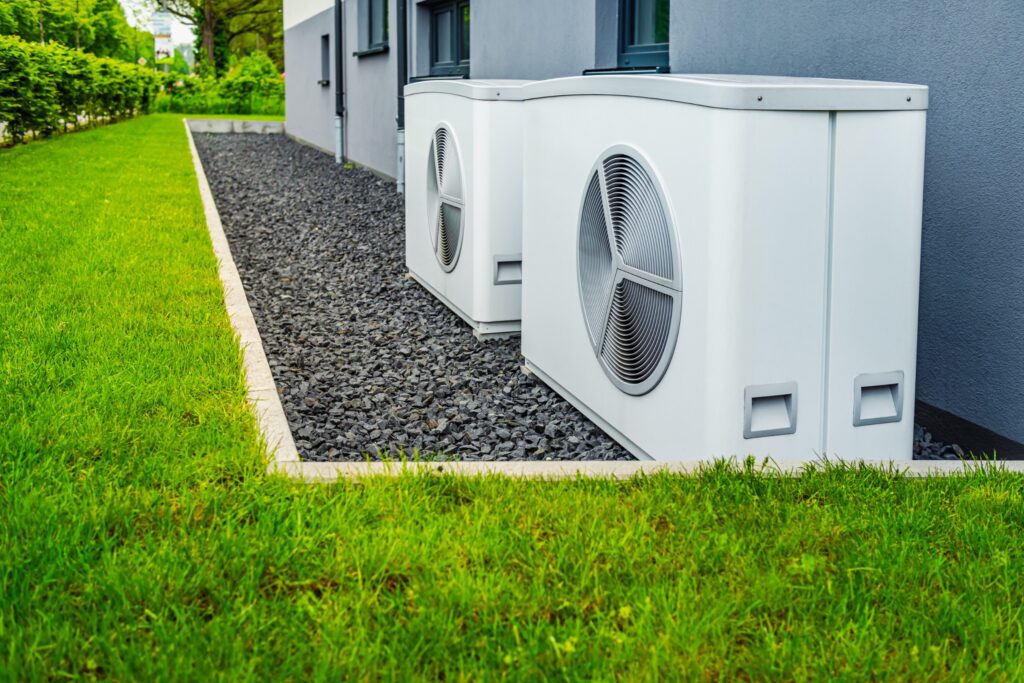 Dallas residents know that the weather swings from sweltering summers to chilly winters. Ensuring your HVAC system is ready for these extremes can mean the difference between comfort and chaos. Here is your definitive guide to maintaining your HVAC system for winter and summer in Dallas.
Why Seasonal HVAC Maintenance Matters
Regular HVAC maintenance isn’t just about comfort; it’s also crucial for efficiency and longevity. A well-maintained system operates more effectively, using less energy, which translates to lower utility bills and a significantly reduced carbon footprint. By ensuring your HVAC system is clean and well-tuned, you not only promote better air quality in your home but also enhance its overall performance. Furthermore, routine maintenance extends the lifespan of your unit, preventing unexpected breakdowns and saving you from costly replacements. Investing time in regular check-ups can lead to substantial savings and a more sustainable living environment in the long run.
The Impact of Dallas Weather on HVAC Systems
Dallas weather can be brutal on HVAC systems. The scorching summer heat can strain your air conditioning, while the unexpected winter chills can test your heating system. Understanding these local weather patterns helps you prepare your HVAC system to handle the extremes effectively.
Local Challenges for DFW Homes
Homes across the Dallas area come with their own set of quirks that can affect your heating and cooling. If you live in an older house, especially one with tile floors, you might notice it gets cold much faster in the winter. Tile doesn’t hold heat well, which means your furnace has to work overtime just to keep things comfortable. This is where having the right insulation makes a huge difference. Proper insulation services can help your home retain heat more effectively, giving your system a much-needed break and keeping your energy bills in check. It’s a smart way to combat those chilly drafts and create a cozier living space year-round.
Another common issue, especially for homes near parks or wooded areas, is dealing with nature’s leftovers. Leaves, twigs, and dirt can easily accumulate around your outdoor AC unit, and even get inside your ductwork. When this debris blocks airflow, it forces your entire HVAC system to work harder than it should, which drives up energy use and can lead to premature wear and tear. Regular duct cleaning is essential to keep the air moving freely and cleanly throughout your home. Staying on top of this simple maintenance helps your system run efficiently and prevents bigger, more expensive problems down the road.
Assessing Your HVAC System’s Current Condition
Before you start any seasonal maintenance, it’s crucial to assess your system’s current health thoroughly. Begin by checking for visible wear and tear, such as frayed wires, rusted components, or leaks, which can indicate underlying issues. Next, listen carefully for any unusual noises, like grinding or hissing, as these sounds can be early warning signs of potential malfunctions. Additionally, take note of any performance issues, such as decreased efficiency or irregular operation, as they can significantly impact the overall functionality of your system. This initial checkup will not only guide your maintenance efforts but also empower you to address problems proactively before they escalate into more significant and costly repairs. Taking these steps can ensure your system operates smoothly throughout the season.
Essential Tools and Supplies for HVAC Maintenance
Proper HVAC maintenance requires a few essential tools and supplies. Have a digital thermometer, a vacuum with a brush attachment, replacement filters, and a soft brush handy. These tools will help you perform a thorough inspection and cleaning without causing damage.
Preparing Your HVAC System for Winter
Winter in Dallas may not be as harsh as in northern states, but it still poses challenges. Start by checking the thermostat settings and ensuring the heating elements are in good condition. Replace or clean the filters to ensure optimal airflow and efficiency.
Address Lingering Summer AC Issues
Before you switch over to your heater, it’s the perfect time to address any lingering problems your air conditioner had over the summer. It’s easy to forget about that strange rattling sound or the slightly weaker airflow once the Texas heat finally subsides, but those issues don’t just disappear. Proactively handling things like dirty coils or minor leaks now prevents them from turning into major headaches when you need your AC again next year. As the experts at Aire Serv point out, you should fix any problems your AC had during the summer before you start relying on your heater. This simple step ensures your system is ready for action and helps you avoid an emergency call during the first heatwave.
Putting off those fixes can also hit your wallet. According to HVAC Services Pro, something as simple as a dirty filter can block airflow, forcing your system to work much harder and consume more energy. A system that’s constantly overworking is not only less efficient but also more likely to break down completely. By making sure your air conditioner is in top shape before winter sets in, you’re setting yourself up for better performance and comfort all year round. If you noticed anything unusual with your AC this past summer, having a professional diagnose the issue is the best way to handle the necessary repairs before they escalate.
Inspecting and Cleaning the Furnace
Your furnace works overtime during the winter months. Inspect the burner assembly, clean the blower motor, and check the belts for signs of wear. Regular cleaning and inspections prevent breakdowns and ensure your furnace operates efficiently throughout the season.
Checking and Sealing Ductwork for Winter Efficiency
Leaky ductwork can lead to significant heat loss, making your HVAC system work harder. Inspect your ducts for leaks and seal them with mastic sealant or metal tape. Properly sealed ducts improve efficiency and keep your home comfortably warm.
Preparing Your HVAC System for Summer
Dallas summers are notoriously hot, making air conditioning a necessity. Begin by inspecting the outdoor unit. Remove debris, clean the condenser coils, and check the refrigerant levels. A well-maintained outdoor unit ensures your air conditioner operates at peak performance.
Clear the Condensate Drain Line
As your air conditioner works hard to cool your home, it pulls a surprising amount of moisture from that humid Dallas air. This condensation travels out of your home through a small pipe called the condensate drain line. If this line gets clogged with algae, dust, or other gunk, the water has nowhere to go and can back up, causing leaks, water damage, and even forcing your entire system to shut down. A quick visual check of the drain line near your indoor unit can help you spot a blockage. If you notice standing water or your system struggles to cool, it’s a clear sign you need a professional air conditioning repair to prevent a small problem from becoming a costly mess.
Replacing or Cleaning Air Filters for Summer
Clean air filters are crucial for efficient cooling. Dirty filters restrict airflow, causing your system to work harder and consume more energy. Replace disposable filters or clean reusable ones monthly during the summer to maintain optimal performance.
Calibrating the Thermostat for Summer Cooling
An accurately calibrated thermostat ensures your system maintains the desired temperature without overworking. Test the thermostat’s accuracy and recalibrate if necessary. Consider upgrading to a programmable thermostat for greater control and energy savings.
Professional HVAC Maintenance Services
While DIY maintenance is effective, professional services offer comprehensive care. Schedule bi-annual checkups with a certified HVAC technician. Professionals can identify and address issues that may not be visible during routine inspections.
The Benefits of Regular Professional Inspections
Professional inspections provide peace of mind and catch potential problems early. Technicians use specialized equipment to test system components, ensuring everything functions correctly. This proactive approach reduces the likelihood of unexpected breakdowns.
Energy Efficiency Tips for Your HVAC System
Improving your HVAC system’s energy efficiency saves money and benefits the environment. Use ceiling fans to circulate air, seal windows and doors to prevent drafts, and consider adding insulation to reduce heat transfer. These small changes make a big difference.
Use a Programmable or Smart Thermostat
One of the most effective ways to manage your energy consumption is by upgrading your thermostat. A programmable or smart thermostat allows you to create a customized heating and cooling schedule that aligns with your daily routine, automatically adjusting the temperature when you’re asleep or away from home. According to ENERGY STAR, a certified smart thermostat can learn your preferences and optimize your settings to save significant money on utility bills. These devices also offer the convenience of remote control via your smartphone, so you can adjust the temperature from anywhere. If you’re considering an upgrade, our team can help you with installing a new thermostat that integrates seamlessly with your system.
Optimize Your Ceiling Fans
Your ceiling fans are a powerful tool for energy efficiency in both summer and winter. During the hot Dallas summers, make sure your fans are spinning counterclockwise. This motion creates a downdraft, producing a wind-chill effect that makes you feel cooler and allows you to raise your thermostat setting by a few degrees without sacrificing comfort. When winter arrives, reverse the fan’s direction to clockwise and run it on a low speed. This will gently pull cool air up and push the warm air that naturally rises back down into the living space, helping to distribute heat more evenly throughout the room. It’s a simple adjustment that costs nothing but can make a noticeable difference in your energy bills.
Manage Your Home’s Airflow
Directing your conditioned air where you need it most is a straightforward way to improve efficiency. By closing the doors and vents in rooms you don’t use regularly, like a guest bedroom or storage area, you prevent your HVAC system from wasting energy on empty spaces. This strategy helps concentrate the heating or cooling power in the areas of your home that are actually occupied. However, be careful not to close too many vents, as this can sometimes create pressure imbalances in your ductwork. For optimal airflow throughout your home, it’s also important to ensure your ducts are clean and free of obstructions, a service we can help with through our professional duct cleaning.
Leverage Window Coverings
Your windows play a significant role in your home’s internal temperature, and using your blinds or curtains strategically can have a big impact. In the summer, keep your window coverings closed during the day, especially on sun-facing windows, to block solar heat gain and keep your home naturally cooler. Heat-blocking or thermal curtains are particularly effective at this. In the winter, do the opposite: open your curtains during sunny days to let the natural warmth in, and then close them at night to add an extra layer of insulation and trap the heat inside. This simple habit helps reduce the strain on your HVAC system year-round.
Use the “Fan Only” Setting
On those mild days in Dallas when it’s not quite hot enough for the AC or cold enough for the heater, the “fan only” setting on your thermostat is your best friend. This mode circulates air throughout your home using only the system’s blower, which consumes far less energy than running the full air conditioning or heating cycle. Using the fan helps maintain a comfortable temperature, prevents stuffiness, and has the added benefit of continuously filtering your indoor air as it passes through the system’s filter. It’s an excellent way to keep the air fresh and moving without a major impact on your energy bill, contributing to better overall air quality.
Troubleshooting Common HVAC Problems
Even with regular maintenance, issues can arise. Learn to troubleshoot common HVAC problems like uneven heating or cooling, strange noises, and poor airflow. Knowing how to address these issues quickly can prevent them from worsening and causing more significant damage.
Key Warning Signs to Watch For
Your HVAC system will often give you clues when something isn’t right—you just have to know what to listen and look for. Pay close attention to any new or unusual sounds, like grinding, squealing, or banging, as these can signal mechanical trouble. Similarly, strange smells, such as a musty odor or a burning scent, shouldn’t be ignored. Another major red flag is a sudden and unexplained increase in your energy bills or rooms that heat and cool unevenly. These issues often indicate your system is working too hard, possibly due to a problem like a refrigerant leak. Ignoring these warning signs can lead to bigger problems and more expensive fixes down the road. If you notice any of these issues, it’s wise to call for a professional HVAC repair to get things checked out.
When to Repair vs. Replace Your HVAC System
Figuring out whether to repair your HVAC system or replace it entirely is one of the biggest decisions a homeowner can make. It’s a significant investment, and the choice isn’t always clear-cut. A quick fix might seem tempting for your budget right now, but frequent breakdowns and rising energy bills can add up quickly, especially with the demanding DFW climate. To make a confident decision, it helps to look at a few key factors, including your system’s age, its repair history, and its overall efficiency. This will help you determine the most cost-effective path forward for keeping your home comfortable year-round.
Signs It’s Time for a Replacement
One of the clearest indicators is the age of your system. If your HVAC unit is over 10 years old, it’s likely operating far less efficiently than modern units. According to ENERGY STAR, upgrading to a newer, certified model can cut your annual energy bills significantly. Beyond age, consider the frequency and cost of repairs. If you find yourself calling for service multiple times a year or facing a repair bill that’s a large fraction of a new unit’s cost, it’s often more economical to invest in a full HVAC replacement. Constant issues not only drain your wallet but also signal that the system is nearing the end of its reliable lifespan.
Understanding HVAC Replacement Rules of Thumb
When you’re weighing the costs, a couple of industry guidelines can be really helpful. One common guideline is the “$5,000 rule,” which suggests replacing your unit if a single repair costs more than $5,000. Another useful formula is to multiply the age of your unit by the estimated repair cost; if that number is greater than $5,000, replacement is generally the more sensible financial choice. While these aren’t strict rules, they provide a solid framework for evaluating your options and making a decision that protects your budget. Thinking about the investment can be daunting, but options like HVAC financing can make a new, reliable system more accessible.
The Importance of Professional Installation
Selecting a new, high-efficiency HVAC system is a great first step, but the quality of the installation is what truly determines its performance and longevity. In fact, ENERGY STAR notes that improper installation can slash a system’s efficiency by as much as 30%, wiping out the potential energy savings you were counting on. This is why working with a certified and trusted team is non-negotiable. At Taylormade Heat and Air, we are proud to be a designated Trane Comfort Specialist, which means we adhere to the highest industry standards for every installation. We ensure your new system is set up perfectly to deliver optimal comfort and efficiency from the very beginning.
Understanding HVAC System Warranties
Familiarize yourself with your HVAC system’s warranty terms and conditions. Regular maintenance is often a requirement to keep the warranty valid. Keep detailed records of all maintenance activities and professional inspections to ensure compliance.
Creating a Seasonal Maintenance Schedule
Consistency is key to effective HVAC maintenance. Create a seasonal maintenance schedule outlining specific tasks for winter and summer preparation. Stick to this schedule to keep your system running smoothly year-round.
Conclusion
Proper HVAC maintenance is essential for surviving Dallas’s extreme weather conditions. By following this comprehensive guide, you can ensure your system is ready for winter and summer. Regular maintenance not only enhances comfort but also saves money and extends the life of your HVAC unit. Consider booking a consultation with a local HVAC expert for personalized advice and professional services. Your comfort is worth the investment.
Ready to take the next step?
If you’re looking for reliable HVAC maintenance and installation services in McKinney, TX, look no further than Taylormade Heat and Air. Our team of certified technicians is dedicated to keeping your home comfortable throughout the year, no matter the season. Whether you need routine maintenance, urgent repairs, or a new system installation, we are here to help. Reach out to us via our website or give us a call today at 469-424-3404 for HVAC services in McKinney—breathe easy and live better with Taylormade Heat and Air!
Frequently Asked Questions
How often should I have my HVAC system professionally serviced? For the best performance, especially with our wild Dallas weather, you should schedule professional maintenance twice a year. A check-up in the spring gets your air conditioner ready for the summer heat, and another one in the fall ensures your furnace is prepared for winter. This regular attention helps catch small issues before they turn into major, expensive problems.
My energy bills are really high. What are the first few things I should do? Before you do anything else, check your air filter. A dirty filter is one of the most common reasons for high energy bills because it forces your system to work much harder. After that, take a look at your windows. Using curtains or blinds to block direct sun in the summer and let it in during the winter can make a surprising difference.
My HVAC unit is old. How do I know if I should repair it again or just replace it? This is a tough decision, but a few key signs can guide you. If your system is over 10 years old, it’s likely much less efficient than newer models. Also, consider how often you’re calling for repairs. If service calls are becoming a regular occurrence, or if you’re facing a repair that costs a significant fraction of a new unit, replacement is often the more financially sound choice in the long run.
Can I just do my own maintenance, or do I really need a professional? Doing your own maintenance, like changing filters and keeping your outdoor unit clear of debris, is fantastic and absolutely necessary. Think of professional service as a partnership with your own efforts. A technician can safely handle the complex electrical and mechanical parts of your system, check refrigerant levels, and spot underlying problems that aren’t visible to the untrained eye.
Besides changing the filter, what’s one simple thing I can do to improve my system’s efficiency? Take a walk outside and check on your outdoor condenser unit. Make sure there is at least two feet of clear space all around it. Trim back any bushes, clear away leaves, and remove any other debris that has collected against it. This simple step ensures the unit has proper airflow, which allows it to run more efficiently and prevents it from overworking.
Key Takeaways
- Prepare Your System for the Season: Getting your HVAC unit ready for Dallas’s hot summers and chilly winters is the best way to improve efficiency. Regular tasks like changing filters, clearing debris from the outdoor unit, and sealing leaky ducts directly translate to lower energy bills and a longer system life.
- Use Your Whole Home to Save Energy: Simple adjustments around your house can significantly reduce the strain on your HVAC system. Using programmable thermostats, reversing your ceiling fans seasonally, and strategically opening or closing blinds are easy, no-cost ways to manage your home’s temperature.
- Recognize When to Repair or Replace: Pay attention to warning signs like strange noises, odd smells, or climbing energy bills. Addressing these issues early with a professional can prevent a small problem from becoming a major expense, and knowing when a replacement is more cost-effective than another repair is key to a smart long-term investment.
Related Articles
- Energy-Saving HVAC Upgrades To Cut Costs & Increase Comfort
- HVAC Maintenance Checklist: Dallas Homeowners Guide
- Seasonal HVAC Maintenance in Dallas: Winter & Summer Guide

Brian Hatton is a business professional and co-owner at TaylorMade Heat and Air, a trusted, Christian-based family-owned HVAC company proudly serving the Dallas-Fort Worth metroplex with 24/7 heating and air conditioning repair, installation, and maintenance solutions. Drawing on a professional background in mergers and acquisitions alongside hands-on experience at TaylorMade, Brian brings a sharp business mindset to an industry where reliability, transparency, and expertise matter most — values that are at the core of everything TaylorMade delivers to DFW homeowners and businesses across communities like Plano, Frisco, McKinney, and beyond. Connect with Brian on LinkedIn to learn more about his commitment to bringing honest, high-quality HVAC service to North Texas.