

It’s frustrating when your home just won’t stay comfortable. Maybe the upstairs is always warmer than the downstairs, or you’re constantly fiddling with the thermostat to find a temperature that feels right. These aren’t just minor annoyances; they’re often signs that your HVAC system is struggling to keep up. True comfort is about consistency, and an outdated or inefficient unit can’t provide it. This is where HVAC efficiency upgrades come in. They do more than just save money; they transform how your home feels. We’ll show you how to achieve even, reliable heating and cooling in every room.
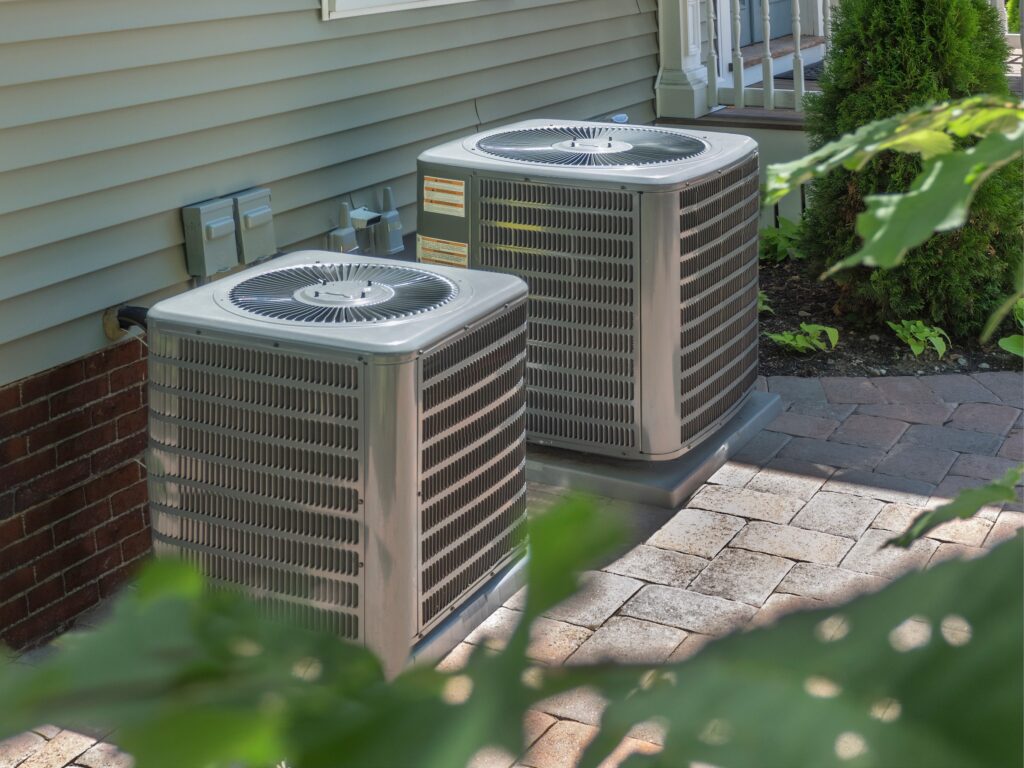 Are you tired of skyrocketing energy bills and endless maintenance costs for your HVAC system? With energy-efficient upgrades, you can reduce your utility expenses, increase your home’s comfort, and promote eco-friendly living. Considering that heating and cooling account for nearly half of a home’s energy usage, optimizing your HVAC system is a step that can make a significant impact. This guide will walk you through energy-saving HVAC upgrades worth considering, whether you are improving an old system or exploring the latest innovations.
Why Invest in Energy-Saving HVAC Upgrades?
Upgrading your HVAC system is more than just a financial decision—it’s also about long-term comfort and sustainability. Here’s why energy-efficient upgrades are worth it:
- Lower Energy Bills: Energy-efficient systems require less power to operate, saving money on monthly utility bills.
- Improved Comfort: Advanced technology ensures consistent heating and cooling, reducing hotspots and temperature fluctuations.
- Reduced Environmental Impact: Using less energy contributes to environmental sustainability, helping to reduce your carbon footprint.
- Tax Incentives and Rebates: Many states offer rebates or tax credits for switching to energy-efficient equipment.
- Increase Home Value: An upgraded HVAC system adds value to your property, making it more appealing to potential buyers.
Now that you know the benefits, let’s explore some energy-saving upgrades that can transform your HVAC system.
What Makes This Efficiency Guide Different
Most energy-saving articles give you the same generic list: change your filter, upgrade your thermostat, buy a high-efficiency unit. This guide goes further. Each upgrade covered here is evaluated specifically for DFW homeowners — where summer cooling loads run longer and harder than nearly anywhere else in the country, and where the gap between an efficient and an inefficient system shows up dramatically on your monthly utility bill.
The upgrades in this guide are also organized by impact, not just popularity. Some recommendations, like duct sealing, deliver efficiency gains before you spend a dollar on new equipment. Others, like variable-speed air handlers and zoning systems, address the root cause of the uneven temperatures and thermostat-fighting that most generic efficiency guides never explain properly.
There’s also a DFW-specific factor that most national guides overlook entirely: humidity. Texas summers don’t just bring heat — they bring sustained high humidity that makes your AC work harder even when it’s sized correctly. That’s why this guide includes whole-home humidity control and advanced air quality upgrades that other efficiency articles treat as optional extras. Here, they’re central to the strategy.
Finally, every upgrade in this guide connects back to a service your home may actually need. Whether you’re looking at a smart thermostat swap, a full system replacement, or somewhere in between, our HVAC services for DFW homeowners cover the full range of solutions — and our team can help you prioritize the upgrades that will have the greatest impact on your specific home before you spend a dollar on equipment.
What to Check Before You Upgrade
Before you start shopping for a brand-new HVAC system, it’s smart to take a step back and assess your current situation. A full replacement is a significant investment, and sometimes, the issues causing high energy bills or inconsistent temperatures are simpler than you think. Your home might be losing precious conditioned air through leaks you don’t even know about. Addressing these underlying problems first can save you a lot of money and might even solve your comfort issues without the need for a complete overhaul. Think of it as a check-up for your home’s efficiency before you decide on major surgery.
Prioritizing Repairs Over Replacement
It’s easy to blame your furnace or air conditioner when your home feels uncomfortable, but they might not be the real culprits. According to ENERGY STAR, it’s essential to “fix any big air leaks in your house and duct system” before buying new equipment, as these leaks could be the root of the problem. Gaps around windows, doors, and in your attic can let treated air escape, forcing your HVAC system to work overtime just to keep up. A professional can help you identify and seal these leaks. Investing in targeted heating and air conditioning repair for these specific issues is often a more cost-effective first step than replacing a unit that might still have years of life left in it.
Fixing Air and Duct Leaks First
Your ductwork is the circulatory system for your home’s heating and cooling, but if it’s leaky, you’re losing a lot of energy before the air even reaches your rooms. ENERGY STAR points out that sealing and insulating ducts can make your system up to 20% more efficient. Leaks in ducts, especially those running through unconditioned spaces like attics or crawlspaces, mean you’re paying to heat and cool areas you don’t even use. Professional duct cleaning can identify and address these leaks, while proper insulation services ensure the air stays at the right temperature on its way to you. It’s a simple fix that makes a huge difference in both comfort and cost.
Getting a Professional Home Energy Audit
If you’re unsure where to start, getting a professional opinion is your best bet. An energy audit is a thorough evaluation of your home’s energy use, pinpointing exactly where you’re losing efficiency. An HVAC professional can perform an assessment to identify specific areas for improvement, ensuring your investment is directed where it will have the most impact. This expert analysis takes the guesswork out of the equation, giving you a clear roadmap to a more efficient home. Whether the solution is sealing leaks, adding insulation, or upgrading your system, an audit ensures you’re making an informed decision. Ready to get a clear picture of your home’s performance? Contact a trusted HVAC team to schedule an evaluation.
Energy-Saving HVAC Upgrades to Consider
1. High-Efficiency HVAC Systems
Investing in a high-efficiency HVAC unit can drastically cut energy usage. Look for systems with a high SEER (Seasonal Energy Efficiency Ratio) rating. For air conditioners, a SEER rating of 16 or higher is recommended for optimal energy savings.
- Why It’s Worth It
High-efficiency systems may initially cost more, but they result in significant energy savings over time.
- Pro Tip
When searching for high-efficiency options, consult the best HVAC company McKinney, TX, for expert recommendations tailored to your needs.
Potential Cost Reduction
One of the most compelling reasons to upgrade is the potential for significant cost reduction. According to ENERGY STAR, you can cut your yearly energy bill by almost $140 just by replacing old equipment with new, certified models. The savings get even better when you look at specific efficiency ratings. For example, swapping an older AC unit with a Seasonal Energy Efficiency Ratio (SEER) of 10 for a new model with a SEER of 16 can reduce your cooling costs by up to 37%. These savings make the initial investment in a new system installation worthwhile, and they don’t stop there. Installing a smart thermostat can save you an additional 8% on heating and cooling costs annually, helping you create a more sustainable home while keeping your energy bills in check.
2. Smart Thermostats
A smart thermostat is a game-changer for those looking to save on heating and cooling costs. These devices allow you to control your home’s temperature remotely through your smartphone and create energy-efficient schedules.
- Energy-Saving Features
- Optimize energy use by learning your daily routines.
- Provide energy reports to help you identify cost-saving opportunities.
- Popular Models to Explore
- Nest Learning Thermostat
- Ecobee Smart Thermostat
Annual Savings Potential
It’s one thing to talk about saving energy, but what does that actually look like for your wallet? The numbers are pretty encouraging. For instance, simply swapping out old heating and cooling equipment for new ENERGY STAR certified models can trim nearly $140 off your yearly energy bill. When you pair that with a smart thermostat, you could see an additional 8% reduction in heating and cooling costs. If your current system is older, the savings get even bigger. Upgrading from an outdated unit to a modern, high-efficiency one can slash your cooling costs by as much as 37%. Even smaller fixes, like having a professional seal your air ducts, can improve your system’s efficiency by up to 20%. These upgrades don’t just pay for themselves over time; they put real money back into your budget year after year.
3. Duct Sealing and Insulation
Did you know that up to 30% of the air circulating through your ducts can escape due to leaks or poor insulation? This inefficiency forces your HVAC system to work harder, increasing energy usage and costs.
- How It Helps
By sealing leaks and improving insulation, you ensure that air is delivered where it’s needed without any loss.
- Signs Your Ducts Need Attention
- Uneven cooling or heating across rooms.
- High utility bills despite normal usage.
Efficiency Gains from Sealed Ducts
Sealing and insulating your ducts is one of the most impactful upgrades you can make. Leaky ducts can lose up to 30% of the conditioned air before it even reaches your rooms, forcing your system to work overtime. By addressing this, you can improve your HVAC system’s efficiency by up to 20%, according to ENERGY STAR. This wasted effort translates directly into higher energy bills. A professional duct cleaning and sealing service ensures that the air you pay to cool or heat gets delivered where it’s needed. You’ll enjoy more consistent temperatures throughout your home and see a noticeable reduction in your monthly energy costs, making it a smart investment for any homeowner.
4. Variable-Speed Air Handlers
Unlike single-speed air handlers that run only at full capacity, variable-speed air handlers adjust their speed to maintain even airflow and consistent temperatures.
- Key Benefits
- Reduced energy usage during non-peak hours.
- Quieter operations compared to traditional models.
- Efficiency in Action
These systems also aid in better humidity control, perfect for those hot McKinney, TX, summers.
5. Zoning Systems
Tired of heating or cooling rooms you rarely use? A zoning system allows you to divide your home into different zones, each with its own thermostat.
- Why Go for Zoning?
- Tailor heating and cooling to specific areas.
- Avoid wasting energy on unoccupied spaces.
- Best for: Larger homes or households with varying temperature preferences.
6. Energy Recovery Ventilators (ERVs)
An energy recovery ventilator improves indoor air quality while conserving energy. By maintaining a balance between incoming fresh air and outgoing stale air, ERVs help reduce the load on your HVAC system.
- Additional Benefits
- Improved humidity control.
- Better indoor air circulation, ideal for allergy-prone individuals.
7. Maintenance and Tune-Ups
The most affordable way to enhance your HVAC system’s efficiency is through regular maintenance. A professional tune-up can identify small issues before they become costly and optimize your system’s performance. Key elements of maintenance include:
- Cleaning air filters and components.
- Checking refrigerant levels.
- Inspecting ductwork for leaks.
7. Air Quality Enhancements
Your HVAC system does more than just manage the temperature; it plays a central role in the quality of the air you breathe every day. Focusing on cleaner air not only supports your family’s health but also helps your system operate more efficiently because it doesn’t have to work as hard to push air through clogged components. For homeowners in the DFW area, investing in air quality products is a smart upgrade that improves overall comfort and can even lead to lower energy consumption. These enhancements ensure your system circulates fresh, healthy air while reducing the strain on its parts, which can extend its lifespan and save you money.
Upgraded Air Filters
One of the simplest and most impactful upgrades you can make is switching to a better air filter. While basic filters get the job done, high-efficiency options like HEPA filters are designed to capture much smaller, invisible particles, including dust, pet dander, pollen, and other allergens. This simple change can dramatically improve your indoor air, making your home a healthier space for everyone. It also provides a crucial line of defense for your HVAC system, protecting its internal components from accumulating dirt and debris. A cleaner system is an efficient system, meaning it will last longer and use less energy to keep your home comfortable.
UV Air Purifiers
If you want to take air purification to the next level, a UV air purifier is a powerful solution. These systems are installed directly into your ductwork and use ultraviolet light to neutralize airborne contaminants as they circulate through your home. The UV light targets and destroys germs, viruses, mold spores, and other harmful microorganisms that are often too small for even high-efficiency filters to catch. It’s an especially valuable upgrade for households where allergies, asthma, or other respiratory issues are a concern, giving you peace of mind that your family is breathing the cleanest possible air.
8. Whole-Home Humidity Control
Texas humidity is a force to be reckoned with, and it affects your indoor comfort just as much as the outdoors. High humidity in the summer can make your home feel stuffy and damp, while the dry air of winter can lead to static electricity and irritated sinuses. A whole-home humidity control system integrates with your HVAC to maintain optimal moisture levels year-round. A dehumidifier removes excess moisture during our muggy summers to prevent mold growth and that sticky feeling. In the winter, a humidifier adds moisture back into the air to combat dryness. This balance not only makes your home feel more comfortable but also protects wood floors and furniture from damage.
9. Advanced Leak Detection Sensors
A refrigerant leak is one of the most damaging and costly problems your HVAC system can experience, often going unnoticed until major issues arise. Advanced leak detection sensors act as an early warning system, continuously monitoring for leaks in your refrigerant lines. If a problem is detected, you’ll get an alert right away, allowing you to schedule a professional repair before it escalates into a system failure. Catching leaks early prevents expensive component damage, avoids the release of harmful refrigerants, and ensures your system continues to operate at peak efficiency instead of wasting energy trying to cool your home with low refrigerant levels.
8. Solar-Powered HVAC Systems
For homeowners ready to take their energy savings to the next level, consider installing a solar-powered HVAC system. These systems convert sunlight into energy, significantly reducing the dependency on electricity.
- Why It’s Innovative
Solar energy is renewable and entirely sustainable, making it the future of HVAC technology.
- Challenges
Upfront costs can be high, but federal and state incentives can make the transition more accessible.
Why Professional Installation Matters
You’ve done the research and picked out a fantastic, energy-efficient HVAC system. That’s a great first step, but the job is only half done. The quality of the installation is just as important as the quality of the unit itself. Think of it this way: you wouldn’t buy a high-performance car and have it assembled by someone who has never worked on an engine before. The same principle applies to your HVAC system. Proper installation is a precise science that ensures your new equipment runs at peak performance from day one. It involves correctly sizing the unit for your home, ensuring ductwork is sealed tight, and calibrating the system to meet the manufacturer’s exact specifications.
Choosing a professional for your air conditioning and heating installation is the best way to protect your investment. A certified technician has the training and tools to handle the complexities of modern HVAC systems, from electrical wiring to refrigerant charging. Getting it right from the start helps you avoid a long list of potential problems, including poor airflow, strange noises, and premature system failure. It also ensures your manufacturer’s warranty remains valid, giving you peace of mind. Ultimately, professional installation sets the foundation for years of reliable comfort and efficiency, making it one of the most critical decisions you’ll make for your home.
The Risk of Inefficient Installation
A shoddy installation can turn your brand-new, energy-saving HVAC system into a financial liability. According to ENERGY STAR, improper installation can slash your system’s efficiency by as much as 30%. This means you could be paying significantly more on your monthly utility bills, completely wiping out the savings you expected from your upgrade. This inefficiency doesn’t just hit your wallet; it also forces your system to work much harder and run longer to keep your home comfortable. This constant strain accelerates wear and tear on crucial components like the compressor and fan motor, setting the stage for future problems.
That added stress on your system often leads to a frustrating cycle of frequent breakdowns and expensive service calls. Instead of enjoying reliable comfort, you might find yourself dealing with a system that can’t keep up on the hottest or coldest days. Over time, this can even shorten the equipment’s lifespan, forcing you to replace it years earlier than you should have to. Investing in a professional installation from a trusted team ensures every component works together seamlessly, preventing these issues and saving you from the stress of unexpected HVAC repairs.
Tips to Maximize Energy Efficiency
Here are additional quick tips to complement your HVAC upgrades and save even more energy at home:
- Use energy-efficient window treatments to block heat during summer months.
- Install ceiling fans to minimize the workload on your HVAC system.
- Set your thermostat a few degrees higher in summer and lower in winter to avoid excessive energy use.
- Replace air filters regularly to maintain optimal airflow.
Commit to Regular Maintenance
Beyond big upgrades, consistent care is one of the most effective ways to keep your HVAC system running efficiently. Think of it like a car—you wouldn’t skip oil changes and expect it to perform well on a long road trip. Regular maintenance ensures your system operates at its peak, prevents unexpected breakdowns during the worst of the Texas heat, and extends its overall lifespan. Committing to a simple routine can save you a surprising amount on your energy bills and future repair costs. It involves a mix of easy tasks you can handle yourself and an annual check-up from a professional to keep everything in top shape for the year ahead.
Monthly Air Filter Checks
One of the simplest yet most impactful maintenance tasks is checking your air filter. A dirty or clogged filter forces your HVAC system to work much harder to pull in air, which wastes energy and can drive up your utility bills. According to ENERGY STAR, you should check your filter every month, especially during peak seasons like summer and winter when your system is running constantly. If it looks dirty, it’s time for a new one. As a general rule, you should plan to change it at least once every three months to ensure proper airflow and protect your system from unnecessary strain.
Schedule Annual Professional Tune-Ups
While changing filters is a great start, your system also needs an annual professional check-up to function optimally. A trained technician can spot potential issues before they become major problems, clean critical components that are hard to reach, and ensure the entire system is calibrated for maximum efficiency. This is the best way to catch small issues, like a fraying belt or a minor refrigerant leak, before they lead to a system failure. Signing up for preventative maintenance plans can make this process seamless, taking the guesswork out of scheduling and ensuring your system receives the expert care it needs each year.
Know the Signs for Replacement
Even the most well-maintained HVAC system won’t last forever. At some point, continuing to repair an aging unit becomes less cost-effective than investing in a new one. Recognizing the warning signs can help you plan for a replacement before you’re left without heating or cooling during extreme weather. Paying attention to your system’s age, its performance, and how often you’re calling for repairs will give you a clear idea of when it’s time to start exploring newer, more energy-efficient models that can offer better comfort and significant long-term savings on your utility bills.
Age and Frequent Repairs
If your HVAC system is over 10 to 15 years old, it’s likely operating far less efficiently than modern units. Technology has advanced significantly, and a new system can offer substantial energy savings right away. Another major red flag is the need for frequent and costly repairs. If you find yourself calling for service multiple times a year, those repair bills can quickly add up to the cost of a down payment on a new unit. Instead of pouring more money into an outdated system, it often makes more financial sense to invest in an air conditioning and heating replacement that is reliable, efficient, and covered by a new warranty.
Finding Financial Help for Your Upgrades
An HVAC upgrade is a significant investment in your home’s comfort and value, but the initial cost can feel daunting. The good news is you don’t have to bear the full expense alone. Federal, state, and local utility programs offer financial incentives to encourage homeowners to switch to more energy-efficient systems. These rebates and tax credits can substantially reduce your out-of-pocket costs, making a high-efficiency upgrade more accessible. Taking the time to explore these opportunities can turn a major expense into a smart, manageable investment that pays off in lower energy bills for years to come.
One of the most impactful incentives available is the federal Energy Efficient Home Improvement Credit. This program allows you to claim a tax credit for a percentage of the cost of qualifying high-efficiency equipment, including central air conditioners and heat pumps. Because it’s a tax credit, it directly reduces the amount of tax you owe. The specifics can change, so it’s always a good idea to check the latest guidelines on the ENERGY STAR website to see which systems qualify and how much you can save on your next tax return.
State and Utility Company Rebates
Here in the DFW area, many local utility companies also provide rebates to their customers. Providers like Oncor and CoServ often have seasonal programs that offer cash back for installing energy-efficient air conditioners, heat pumps, or even smart thermostats. These programs are designed to help reduce the overall demand on the power grid during our hot Texas summers. The best way to find out what’s available is to visit your utility provider’s website or give them a call. An experienced HVAC professional can also help you identify local rebates for the specific equipment you’re considering.
Navigating the world of rebates and tax credits can feel complicated, but you don’t have to do it alone. At Taylormade Heat and Air, we help our customers find qualifying systems and understand the incentives available to them. We can guide you toward equipment that not only meets your comfort needs but also maximizes your potential savings. If you’re ready to explore your options, feel free to contact us, and we can walk you through the process and discuss our flexible financing solutions.
Transform Your HVAC System with Expert Help
If you’re looking for reliable HVAC maintenance & installation services in McKinney, TX, look no further than Taylormade Heat and Air. Our team of certified technicians is dedicated to keeping your home comfortable throughout the year, no matter the season. Whether you need routine maintenance, urgent repairs, or a new system installation, we are here to help.
Frequently Asked Questions
My energy bills are high, but my HVAC system isn’t that old. What should I do first? Before you start shopping for a new unit, it’s a good idea to investigate other potential causes. The problem might not be your HVAC system itself but rather your home’s overall efficiency. Air leaks around windows, doors, and especially in your ductwork can force your system to work overtime just to maintain the temperature. A professional energy audit can identify these hidden problem spots, and sealing them is often a much more affordable first step than a full replacement.
How do I know if it’s time to repair my system or replace it completely? The decision often comes down to age and cost. If your system is over 10 years old and you find yourself scheduling frequent, expensive repairs, it may be time to consider a replacement. Think about it this way: if the cost of a repair is a significant fraction of a new unit’s price, investing that money into a modern, energy-efficient system with a new warranty is usually the smarter long-term financial move.
Are smart thermostats and other high-tech upgrades really worth the cost? Yes, they can be a fantastic investment. A smart thermostat goes beyond remote control; it learns your family’s schedule and adjusts the temperature automatically to save energy when you’re not home. This intelligent programming can lead to significant savings on your heating and cooling bills over the year. Similarly, upgrades like zoning systems prevent you from wasting energy on unused rooms, making your comfort more personalized and efficient.
How much of a difference does professional installation actually make? It makes a critical difference. You can buy the most advanced, energy-efficient system on the market, but an improper installation can cut its efficiency by as much as 30 percent. A professional ensures the unit is correctly sized for your home, the ductwork is properly sealed, and everything is calibrated to the manufacturer’s specifications. This not only guarantees you get the performance and savings you paid for but also protects your warranty.
Besides big upgrades, what’s the easiest thing I can do to improve my HVAC efficiency? The simplest and most impactful task you can do is to consistently check and change your air filter. A dirty filter chokes your system’s airflow, forcing it to work much harder to cool or heat your home. This wastes energy and puts unnecessary strain on the equipment. Checking the filter monthly and replacing it whenever it looks dirty is a small habit that pays off in lower bills and a longer lifespan for your system.
Key Takeaways
- Start with the Simple Fixes: Before replacing your entire HVAC system, have a professional check for air leaks in your home and ductwork. Sealing these gaps is a cost-effective first step that can significantly improve your comfort and efficiency.
- Prioritize High-Impact Upgrades for Long-Term Savings: When you’re ready to invest, focus on changes that deliver the best return, such as a high-efficiency unit, a smart thermostat, or improved air filtration. These upgrades not only reduce your monthly energy bills but also create a healthier, more comfortable living space.
- Protect Your Investment with Professional Care: The performance of your new HVAC system depends heavily on proper installation and consistent maintenance. Always use a certified technician for installation to ensure peak efficiency and schedule annual tune-ups to prevent costly repairs and extend the life of your unit.
Related Articles
- Energy-Saving HVAC Upgrades To Cut Costs & Increase Comfort
- Average Cost of Furnace and Air Conditioner Replacement Explained
- Energy-Saving Strategies for Cooling Your Home During Summer
- Ductless Air Conditioner Cost: A Full Breakdown

Brian Hatton is a business professional and co-owner at TaylorMade Heat and Air, a trusted, Christian-based family-owned HVAC company proudly serving the Dallas-Fort Worth metroplex with 24/7 heating and air conditioning repair, installation, and maintenance solutions. Drawing on a professional background in mergers and acquisitions alongside hands-on experience at TaylorMade, Brian brings a sharp business mindset to an industry where reliability, transparency, and expertise matter most — values that are at the core of everything TaylorMade delivers to DFW homeowners and businesses across communities like Plano, Frisco, McKinney, and beyond. Connect with Brian on LinkedIn to learn more about his commitment to bringing honest, high-quality HVAC service to North Texas.