

We spend about 90% of our time indoors, yet the air inside our homes can be two to five times more polluted than the air outside. It’s a surprising fact, especially when you feel like you’re constantly battling allergies or dusting off surfaces. If you’ve ever wondered why your sniffles get worse at home or where all that dust comes from, the answer might be floating in the air around you. Your HVAC system does more than just control the temperature; it’s your first line of defense. This guide will break down the common culprits behind poor indoor air quality in McKinney, TX, and show you how your heating and cooling system can help you breathe easier.
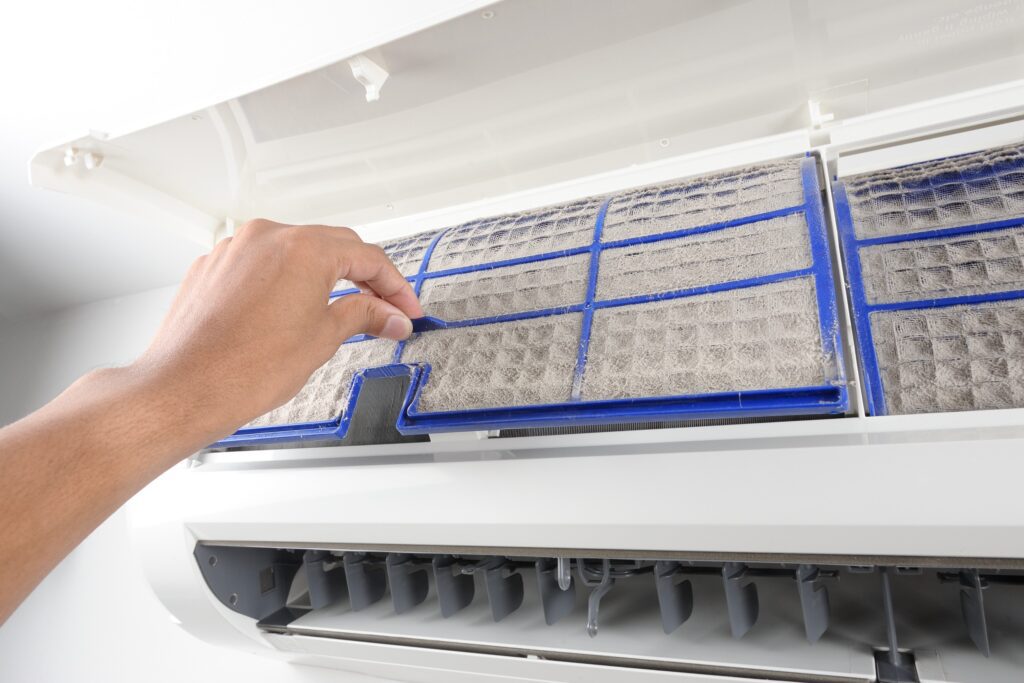 Indoor air quality is a bigger deal than many people realize. With most of us spending nearly 90% of our time indoors, the air we breathe inside our homes and businesses greatly impacts our health and well-being. What many don’t know is that indoor air can often be two to five times more polluted than outdoor air. Surprising, right? If you’ve been wondering why your allergies seem worse inside your home or why you’re constantly dusting, you might want to take a closer look at common sources of indoor air pollution. Thankfully, your HVAC system can play a more significant role in improving air quality than just regulating temperature. This post breaks down the top culprits of indoor air pollution and how choosing the right HVAC system (or upgrading your existing one) can make all the difference.
A Snapshot of Air Quality in McKinney, TX
It’s easy to think of air pollution as something that only happens in big cities, far away from our quiet neighborhoods. But the quality of the air we breathe outdoors has a direct impact on the air inside our homes. Here in the DFW area, it’s helpful to know what’s going on outside our front doors. Let’s look at the current conditions in McKinney as an example. Understanding the local air quality gives us a baseline and helps us see why managing our indoor environment is so important for our family’s health, regardless of what the daily forecast says.
Current Air Quality Index (AQI)
The Air Quality Index, or AQI, is a simple tool used to measure how clean or polluted the air is. According to recent data from IQAir, “The air quality in McKinney is currently rated as ‘Good.'” The current AQI value is 14, which is a great score and means the air outside poses little to no risk. While this is fantastic news for outdoor activities, it doesn’t automatically translate to the air inside your home. Indoor spaces have their own unique set of pollutants and challenges that aren’t measured by the local AQI, making it crucial to address your home’s specific air quality needs.
Primary Pollutants and Pollen Levels
Even on a “Good” air day, there are still pollutants present. Right now, the main pollutant in our area is PM2.5, which are incredibly fine inhalable particles that can come from sources like vehicle exhaust and industrial emissions. On the bright side, IQAir also reports that “Pollen levels in McKinney are currently low overall.” This is a relief for many allergy sufferers, but if you’re still sneezing and sniffling indoors, it might not be outdoor pollen that’s the problem. Indoor allergens like dust mites, pet dander, and mold spores can cause symptoms year-round, highlighting the need for effective indoor air filtration.
Air Quality Forecast
Looking ahead, the forecast is promising. IQAir notes, “The air quality is expected to stay ‘Good’ for the next few days.” This stable, clean outdoor air provides a perfect opportunity to focus on improving your indoor environment. You can open windows to ventilate your home without worrying about bringing in heavy pollution. However, for a more consistent and controlled solution, especially during Texas’s hot summers and unpredictable winters, having a reliable HVAC system with high-quality filtration is your best defense for maintaining fresh, clean air inside your home day in and day out.
How Indoor Air Quality Affects Your Health
We often focus on diet and exercise when we think about our health, but the air we breathe is just as vital. Since we spend most of our time indoors, the quality of that air can have significant short-term and long-term effects on our physical and mental well-being. Poor indoor air quality can be an invisible source of nagging health issues, from daily discomforts to more serious chronic conditions. Recognizing the symptoms and understanding the risks is the first step toward creating a healthier home environment for you and your loved ones. Let’s explore how the air inside your home can impact your health every single day.
Immediate Symptoms of Poor Air Quality
Have you ever felt sick at home but noticed the feeling subsides when you leave? That could be a sign that your indoor air is to blame. These immediate symptoms are your body’s way of telling you something isn’t right with your environment. Exposure to indoor pollutants like dust, mold, and volatile organic compounds (VOCs) from cleaning products or furniture can trigger a range of physical reactions. Paying attention to these signals is crucial, as they are often the earliest indicators that you need to take action to improve the air you and your family are breathing.
Headaches, Fatigue, and Dizziness
Feeling tired, dizzy, or constantly battling headaches at home can be incredibly frustrating, and it’s not always due to stress or lack of sleep. Poor ventilation can lead to a buildup of carbon dioxide and other contaminants, which can cause these exact symptoms. When your HVAC system isn’t circulating fresh air effectively, these pollutants become concentrated, making you feel unwell. If you find your energy levels dip or headaches appear more frequently when you’re at home, it might be time to consider how your home’s air circulation is affecting your health.
Coughing, Sneezing, and Sore Throats
If you feel like you’re in a constant battle with allergies inside your own home, your air quality is a likely culprit. Airborne irritants like dust mites, pet dander, mold spores, and pollen that gets tracked inside can get trapped and endlessly recirculated by your HVAC system. This can lead to persistent coughing, sneezing, and throat irritation that just won’t quit. These symptoms are often mistaken for a common cold or seasonal allergies, but if they primarily flare up indoors, it’s a strong indication that your home’s air is filled with particles that are aggravating your respiratory system.
Long-Term Health Risks
While immediate symptoms are disruptive, the long-term health risks associated with poor indoor air quality are far more serious. Consistent exposure to airborne contaminants can contribute to significant health problems over time. As experts at Collin Air warn, “Over time, bad air can lead to serious health problems like heart disease or breathing issues.” This is especially concerning for vulnerable individuals, including children, the elderly, and those with pre-existing conditions like asthma. Investing in cleaner indoor air isn’t just about comfort today; it’s a critical step in protecting your family’s long-term health and well-being.
The Wellness Benefits of Clean Air
Focusing on the benefits of clean air can be a great motivator for making a change. When you improve your home’s air quality, you’re not just removing harmful pollutants; you’re actively creating a healthier living space. One of the most significant advantages is “Fewer allergies and asthma attacks, leading to fewer breathing problems.” This means less time spent feeling sick and more time enjoying your home comfortably. At Taylormade Heat and Air, we offer a range of air quality products, from advanced filtration systems to UV air purifiers, designed to help you achieve these benefits and breathe easier.
Improving Sleep and Focus
The benefits of clean air extend beyond respiratory health. Have you ever considered how air quality affects your sleep and concentration? When you breathe clean, properly filtered air at night, your body doesn’t have to work as hard to fight off irritants, leading to deeper, more restorative sleep. This, in turn, helps improve your focus, productivity, and overall mood during the day. Creating a healthy sleep environment by reducing airborne allergens and pollutants is one of the best things you can do for your cognitive function and daily performance.
Signs of Poor Indoor Air in Your Home
Sometimes, the signs of poor indoor air quality are subtle, but other times they are staring you right in the face—you just need to know what to look for. Your home often sends clear signals when the air inside is unhealthy. By becoming a bit of a detective, you can spot these clues and take action before the problems get worse. From strange smells to excessive dust, these indicators can help you pinpoint issues with your home’s ventilation and filtration. Let’s walk through some of the most common signs that your indoor air could use some serious improvement.
Unpleasant or Lingering Odors
Your nose often knows best. If you notice “strange or lasting odors that don’t go away,” it’s a major red flag for poor air quality. A persistent musty smell often points to hidden mold or mildew growth, which thrives in damp, poorly ventilated areas. Chemical odors could be off-gassing from new furniture, carpets, or paint, releasing VOCs into your air. These smells aren’t just unpleasant; they’re indicators of underlying issues that are contaminating the air you breathe. A good HVAC system should help filter and circulate air to reduce these odors, not let them linger.
Humidity Imbalances
Feeling comfortable in your home has a lot to do with humidity levels. The air can be “too wet (causing mold) or too dry (causing dry skin or breathing problems).” In our humid Texas climate, excess moisture is a common problem, leading to condensation on windows, a sticky feeling in the air, and an ideal breeding ground for mold. On the other hand, air that’s too dry can cause itchy skin, sore throats, and static electricity. A properly functioning HVAC system helps regulate humidity, so if you’re experiencing either extreme, your system may need a check-up.
Excessive Dust Buildup Near Vents
Are you constantly wiping down surfaces, only to see a fresh layer of dust appear almost immediately? Pay close attention to the areas around your air vents. Seeing “too much dust, especially around vents,” is a clear sign of poor air filtration. Your HVAC system is supposed to capture dust and other particles, but if its filter is clogged or inefficient, it will simply blow these contaminants back into your rooms. This is why regular filter changes are so important. For a deeper clean, professional duct cleaning can remove years of accumulated dust and debris from your system.
Visible Mold or Mildew
Of all the signs, this one is the most urgent. If you spot “any mold you can see,” you can be certain there’s a moisture problem and a serious air quality issue. Mold releases spores into the air that can cause allergic reactions and respiratory problems. It often appears as black, green, or white patches in damp areas like bathrooms, basements, or around leaky pipes. Don’t just wipe it away; it’s crucial to address the source of the moisture to prevent it from returning. This is a clear signal to call in professionals to assess both the mold and your home’s ventilation system.
What Are the Common Sources of Indoor Air Pollution?
Before we learn how HVAC systems can help, let’s first understand the usual suspects causing indoor air pollution.
1. Pet Dander and Hair
If you’re a pet owner, you’re probably all too familiar with the tumbleweeds of fur and hair your furry friends leave behind. But it’s not just about the mess—pet dander (tiny flecks of skin) becomes airborne and lingers in your home, triggering allergy symptoms and reducing air quality.
2. Dust and Dust Mites
Dust is everywhere, no matter how often you clean. It’s made of particles like dead skin cells, pollen, and fabric fibers, and it’s a common irritant. Dust mites—microscopic creatures that thrive in warm, damp environments—feed on these particles and release allergens into the air. Yikes.
3. Volatile Organic Compounds (VOCs)
Ever notice that “new paint” smell? Or how opening a new package of furniture has a strange odor? That’s VOCs. These chemical compounds are emitted as gases from products like paints, cleaning supplies, and even carpets. Long-term exposure can affect your health, causing respiratory issues and more.
4. Mold and Mildew
Poor ventilation and high humidity levels create the perfect breeding ground for mold and mildew. Even a small mold problem can release spores into the air, triggering allergies and respiratory issues.
5. Smoke and Cooking Byproducts
Whether it’s cigarette smoke or smoke from cooking, these can release fine particles and harmful chemicals into your indoor spaces. Without proper ventilation, these pollutants stick around and compromise air quality.
6. Pollen and Outdoor Pollutants Brought Inside
Think your indoor air is immune to outdoor triggers? Think again. Pollen and other pollutants can easily hitch a ride on your clothes or pets, finding their way indoors and adding to your air quality concerns.
7. Malfunctioning Heating and Cooling Systems
Your HVAC system is your home’s first line of defense against poor air quality, but only when it’s working correctly. A malfunctioning unit can’t effectively circulate air, leading to stagnation where pollutants build up. Think of it this way: without proper airflow, all those irritants we just talked about—dust, pet dander, and VOCs—are just sitting in your living space with nowhere to go. This can turn your home into a breeding ground for allergens and other harmful particles. If you notice your system struggling, it’s not just a comfort issue; it’s an air quality problem. Prompt air conditioning and heating repair is essential to keep your air moving and clean.
How Your HVAC System Can Improve Indoor Air Quality
Luckily, your HVAC system isn’t just for keeping you cool in the summer and toasty in the winter—it’s also one of your best tools for combating indoor air pollution. Here’s how the right HVAC system or upgrade, provided by the best HVAC company in McKinney, TX, can help.
1. Efficient Air Filtration
One of the simplest ways your HVAC system fights indoor air pollution is through its filters. Standard HVAC filters capture larger particles like dust and pet hair, but upgrading to high-efficiency HEPA filters can target even smaller pollutants like mold spores, pet dander, and VOCs. Talk to local HVAC experts in McKinney to ensure you’re using the right filter for your system and home needs.
Capturing Up to 99.97% of Particles
When we talk about high-efficiency filters, like HEPA filters, we’re talking about a serious upgrade for your home’s air. These filters are engineered to capture an impressive 99.97% of airborne particles as small as 0.3 microns—so tiny you can’t see them. This makes them incredibly effective at trapping the very things that can make you feel unwell indoors, such as pet dander, mold spores, and even some bacteria and viruses. Upgrading your system’s filtration is one of the most impactful ways to create a healthier living space for your family. If you’re wondering which high-efficiency options will work with your current HVAC system, checking out different air quality products is the perfect place to start.
2. Proper Ventilation
Your HVAC system can help circulate outdoor air into your home, ensuring pollutants don’t become trapped indoors. A well-ventilated home dilutes indoor pollutants, improving air quality. For homes with limited natural ventilation, specific HVAC systems offer energy recovery ventilators (ERVs) to freshen indoor air.
Introducing Fresh Air with ERVs and HRVs
Let’s talk about a game-changer for stuffy homes: Energy Recovery Ventilators (ERVs) and Heat Recovery Ventilators (HRVs). Think of them as your home’s respiratory system. These smart devices are designed to bring in a constant supply of fresh outdoor air while simultaneously pushing out stale, polluted indoor air. The best part? They do this without making your energy bills skyrocket. As the stale air is exhausted, the system cleverly transfers heat (and in the case of an ERV, moisture) to the incoming fresh air. This means your HVAC system doesn’t have to work overtime to heat or cool the new air, saving you money while drastically improving your home’s atmosphere. If you’re looking for advanced air quality products that make a real difference, an ERV or HRV might be the perfect solution for your family.
3. Humidity Control
Too much moisture in your home creates the perfect conditions for mold and mildew growth, while too little can lead to dry, irritated airways. A well-maintained HVAC system equipped with dehumidifiers (or humidifiers in winter) can keep your home’s humidity within the ideal range of 30-50%. Wondering if your system can handle this? Reach out to a local HVAC expert in McKinney to assess your setup.
4. Air Purifiers for Extra Support
Many modern HVAC systems or add-ons come with built-in air purifiers. These devices use methods like UV light or ionization to neutralize bacteria, mold, and viruses directly in the airflow. If VOCs or other small particles plague your home, investing in a system with purification capabilities might be your best option.
Using UV Light Technology to Kill Germs
It might sound like something out of a sci-fi movie, but UV light technology is a highly effective way to purify your home’s air. Hospitals have used this same technology for years to sterilize equipment and rooms. UV germicidal lights can be installed directly into your HVAC system, where they work silently to neutralize harmful airborne particles. As air circulates through your system, the UV light zaps contaminants like mold spores, bacteria, and viruses, preventing them from spreading throughout your home. This is a fantastic proactive measure for households dealing with allergies or frequent sickness. If you want to take your home’s defense against germs to the next level, exploring these types of air quality products can make a significant difference.
5. Regular Maintenance Keeps Things Running Smoothly
Even the best HVAC system needs regular care. Dust, dirt, and debris can accumulate in ducts or filters, reducing your system’s efficiency and allowing pollutants to circulate. Schedule consistent maintenance or consider HVAC replacement in McKinney, TX, if your current system can’t keep up.
Actionable Steps for Cleaner Air at Home
Now that you know how your HVAC system can be a hero for your home’s air, let’s talk about some practical things you can do. Taking control of your indoor air quality doesn’t always require a huge overhaul. By combining a few simple habits with a little bit of know-how, you can create a healthier, more comfortable living space for you and your family. These steps range from easy DIY tasks you can tackle this weekend to smart strategies for managing your home’s environment based on outside conditions. Let’s get into the specifics.
Simple DIY Maintenance Tips
A little bit of upkeep goes a long way in keeping your air clean. These straightforward maintenance tasks are easy to incorporate into your routine and can make a noticeable difference in reducing airborne irritants.
Change Your Air Filters Regularly
Your HVAC system’s air filter is your first line of defense against indoor pollutants. While standard filters do a decent job of catching larger particles like dust and pet hair, you can significantly improve your air quality by upgrading. High-efficiency particulate air (HEPA) filters are designed to capture much smaller particles, including pesky mold spores, pet dander, and even some VOCs. For most homes, changing your filter every 1-3 months is a good rule of thumb, but check it monthly, especially if you have pets or allergy sufferers. If you’d rather not worry about remembering, our preventative maintenance plans can handle it for you.
Vacuum and Dust Frequently
No matter how clean you keep your home, dust is a fact of life. It’s a mix of things you’d rather not think about, like dead skin cells, pollen, and tiny fabric fibers, making it a major source of irritation. This dust also becomes a food source for microscopic dust mites, which thrive in warm environments and release allergens into the air you breathe. To keep dust and mites under control, make regular vacuuming and dusting a priority. Using a vacuum cleaner equipped with a HEPA filter is especially effective, as it traps fine particles instead of just recirculating them back into the room.
Fix Leaky Air Ducts
Your air ducts are the circulatory system for your home’s air, but they often go unnoticed. If your ducts have leaks or cracks, they can pull in dusty, unfiltered air from your attic, crawl spaces, or walls and distribute it throughout your home. This not only compromises your air quality but also makes your HVAC system work harder, driving up energy bills. Sealing these leaks ensures that the air circulating through your vents is the clean, conditioned air you want. While you can check for obvious issues, properly sealing ductwork is a job best left to professionals. A thorough duct cleaning can also remove years of built-up debris.
Monitoring Your Local Air Quality
What’s happening outside has a direct impact on the air inside. Staying informed about your local air quality can help you make smarter decisions about ventilation and when to let the fresh air in—or when to keep it out.
Using Apps and Personal Monitors
Technology makes it easy to stay on top of air quality conditions. Numerous free apps and websites, like IQAir, provide real-time updates on the Air Quality Index (AQI) for your specific area. This data can tell you about pollutants, pollen levels, and the general forecast. For an even more precise understanding of your indoor environment, you might consider getting a personal air quality monitor. These devices can track levels of dust, VOCs, and humidity right inside your home, giving you the information you need to take targeted action when something is off.
When to Open Windows vs. Keep Them Closed
Knowing your local AQI helps you decide when to open your windows. For example, an AQI of 14 is rated as “Good,” which means it’s generally a great time to let fresh air circulate through your home. However, on days when the AQI is high due to pollution, or when pollen counts are through the roof, it’s better to keep your windows shut. During these times, you can rely on your HVAC system to filter the air and keep your indoor environment clean and comfortable. This simple habit helps you take advantage of good air days while protecting your home from outdoor pollutants on bad ones.
Why Work with the Best HVAC Company in McKinney, TX?
Ensuring clean indoor air requires a reliable, high-performing HVAC system. But not all systems—and not all service providers—are created equal. Working with the best HVAC company in McKinney, TX, ensures your HVAC system is tailored to your home’s unique needs. Here’s what you can expect from reputable, local HVAC experts in McKinney:
- Expert Consultation: Whether it’s recommending the right air filters or suggesting upgrades, experienced professionals understand the importance of personalized advice.
- Seamless Installation: A professional team ensures your HVAC system functions as it should, with proper airflow and temperature control.
- Routine Maintenance Plans: HVAC systems thrive with regular care. Professionals can identify and resolve minor issues before they become significant problems.
Protect Your Air and Your Health
Poor indoor air quality can impact your comfort, health, and well-being. However, an optimized HVAC system has the power to turn things around. By maintaining and upgrading your system, you’ll enjoy cleaner air, fewer allergy symptoms, and a more pleasant home environment. If you’re ready to breathe better, connect with local HVAC experts in McKinney today. Whether you need a new air filter, upgraded purification features, or HVAC replacement in McKinney, TX, the right team can make all the difference. Breathe easy—your health deserves it.
Ready to take the next step?
If you’re looking for reliable HVAC maintenance & installation services in McKinney, TX, look no further than Taylormade Heat and Air. Our team of certified technicians is dedicated to keeping your home comfortable throughout the year, no matter the season. Whether you need routine maintenance, urgent repairs, or a new system installation, we are here to help.
Frequently Asked Questions
How often should I really change my air filter? The one-to-three-month rule is a great guideline, but your home might need more frequent changes. If you have pets that shed, family members with allergies, or live near a dusty road or construction site, you should check your filter every month. A clean filter not only improves your air quality by trapping more particles, but it also helps your HVAC system run more efficiently, which can save you money on energy bills.
My house feels stuffy, but my AC is cooling just fine. What’s the issue? A stuffy or stagnant feeling in the air usually points to a ventilation problem, not a cooling one. Your air conditioner might be reaching the right temperature, but if the air isn’t circulating properly, pollutants like dust, VOCs, and allergens can become concentrated in your living space. This could be caused by something as simple as a blocked return vent or a more complex issue like leaky ductwork.
What’s the difference between a high-efficiency filter and an air purifier? Think of it this way: a filter is a physical barrier that traps particles like dust and pet dander as air passes through it. A high-efficiency filter is simply a more effective barrier with a finer mesh to catch smaller particles. An air purifier, however, is an active system that uses technology, like UV light, to neutralize or destroy microscopic contaminants such as bacteria, viruses, and mold spores that are too small for many filters to catch.
Will professional duct cleaning actually improve my home’s air quality? Yes, it can make a noticeable difference, especially if you’ve never had it done before or have recently completed a home renovation. Your air ducts can accumulate years of dust, debris, and other irritants. When your system runs, it blows these particles into your home. A professional cleaning removes this buildup from the source, ensuring the air circulating through your vents is as clean as possible.
My allergies are bad year-round. What’s the most effective first step I can take without replacing my entire system? A fantastic and affordable first step is to upgrade your standard air filter to a high-efficiency model with a higher MERV rating, as this will trap more allergens. If you’re looking for an even greater impact, consider adding a whole-home air purifier to your existing HVAC system. These units are designed to work with your current setup to actively remove the tiny airborne particles that trigger persistent allergy symptoms.
Key Takeaways
- Use your HVAC system as a whole-home air purifier: It does more than control temperature; it’s your primary defense for filtering pollutants, managing humidity, and circulating fresh air to keep your indoor environment healthy.
- Small habits make a big impact on air quality: Regularly changing your air filters (every 1 to 3 months) and keeping up with dusting are simple, effective ways to significantly cut down on airborne allergens like dust and pet dander.
- Go beyond basic filtration for serious concerns: If you’re dealing with stubborn allergies, odors, or frequent sickness, look into advanced solutions like HEPA filters, UV air purifiers, and professional duct cleaning to address the root cause of pollutants.
Related Articles
- HVAC Tips For Better Indoor Air Quality & Comfortable Living
- Fight Indoor Air Pollution With Smart HVAC System Solutions
- Air Duct Cleaning In McKinney, TX | Taylormade Heat & Air
- Improve Air Quality With Regular Duct Cleaning Services
- Air Quality Products | Dallas Fort Worth

Brian Hatton is a business professional and co-owner at TaylorMade Heat and Air, a trusted, Christian-based family-owned HVAC company proudly serving the Dallas-Fort Worth metroplex with 24/7 heating and air conditioning repair, installation, and maintenance solutions. Drawing on a professional background in mergers and acquisitions alongside hands-on experience at TaylorMade, Brian brings a sharp business mindset to an industry where reliability, transparency, and expertise matter most — values that are at the core of everything TaylorMade delivers to DFW homeowners and businesses across communities like Plano, Frisco, McKinney, and beyond. Connect with Brian on LinkedIn to learn more about his commitment to bringing honest, high-quality HVAC service to North Texas.