

If you feel like you’re fighting a losing battle against dust or your allergies seem worse inside your own home, you’re not alone. Many homeowners blame windows or foot traffic, but the real culprit is often hiding right above your head in the air ducts. This network of passages can become a reservoir for allergens and irritants that get recirculated constantly. Wiping down surfaces provides only temporary relief because the source remains untouched. The most effective solution is a professional service that uses specialized equipment to reach deep air duct cleaning and remove the hidden buildup, helping you finally breathe easier in your own space.
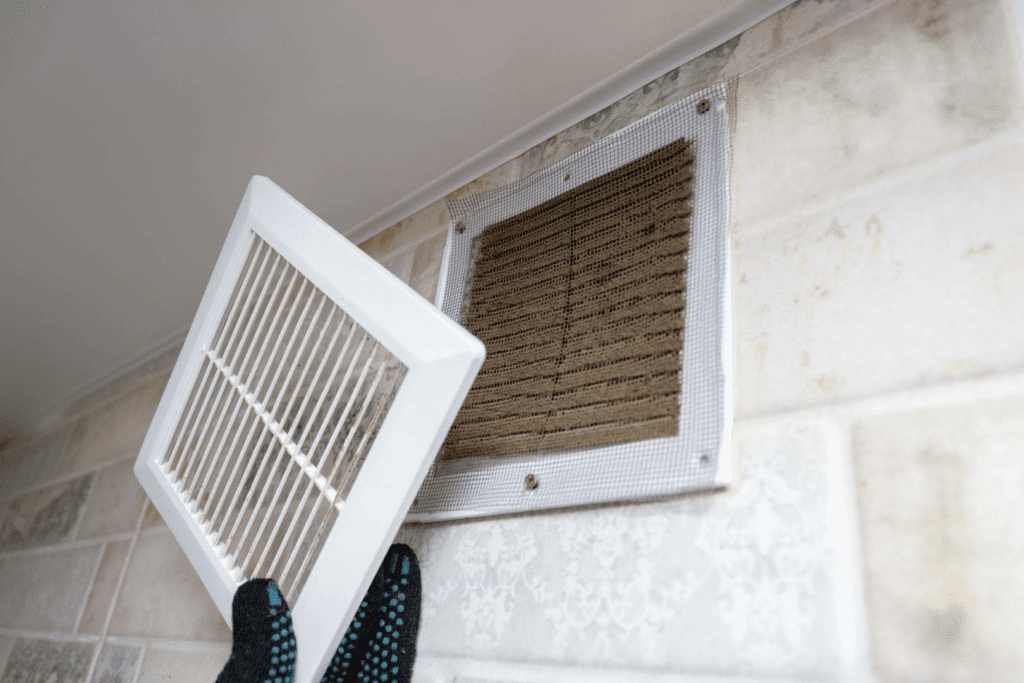 HVAC systems are incredible inventions. With the simple press of a button, you can ensure you never have to deal with sweltering heat or numbing chills. Unfortunately, AC ductwork pushes around more than just temperature-controlled air. It circulates everything within that air as well. Dirty air ducts can be home to some pretty nasty stuff, and that’s why they need periodic cleanings, generally once every three to five years. As a homeowner, an air duct cleaning might sound simple enough to tackle with a DIY approach, but leaving duct cleaning to the experts might be the better option for the following reasons:
What’s Hiding in Your Air Ducts?
HVAC systems don’t pick and choose what to circulate; if particles are in the air, they’re along for the ride. As such, some contaminants that you might find in your air ducts include the following:
- Mold and mildew
- Pests (and their droppings)
- Pet dander
- Dust mites
- Pollen
- Construction dust and debris
Some of these might not be a big deal to you. If you have pets, for instance, you’re likely used to their hair being just about everywhere. Pollen might cause you to sneeze a little, but it’s something you may be able to handle relatively easily as well. Mold and mildew, however, present a larger challenge because of how tough they are to eradicate. And pests that carry disease and leave droppings behind don’t need much of an explanation as to why they’re a problem. One of the less-considered issues from that list, though, is construction dust. When homes are under construction for renovations, some seriously harmful materials can enter the air. These include silica dust, which can cause long-term lung issues, and various carcinogenic (potentially cancer-causing) chemicals, all of which can hang around long after the project is finished.
How Dirty Air Ducts Affect Your Health
All those contaminants hiding in your ductwork don’t just stay there. Every time your HVAC system runs, it circulates them through every room in your house, impacting your home’s overall indoor air quality. Breathing in this contaminated air day after day can lead to a range of health concerns, from minor irritations to more serious respiratory problems. For individuals who are already sensitive, like children, the elderly, or anyone with a compromised immune system, the effects can be even more pronounced. Clean air is a fundamental part of a healthy home, and overlooking your air ducts means you might be ignoring a key source of indoor pollution.
Worsening Allergy and Asthma Symptoms
For those who live with allergies or asthma, indoor air quality is a critical part of health management. When air ducts are dirty, they become a reservoir for triggers that can provoke allergic reactions and asthma attacks. The constant exposure to airborne particles like dust mites, mold spores, and pet dander forces the body’s immune system to work overtime. This can lead to an increase in symptoms like coughing, wheezing, and nasal congestion. Essentially, your home’s HVAC system, which is meant to provide comfort, could inadvertently be making your living space a difficult environment for breathing easily.
The Connection Between Air Ducts and Allergies
It’s important to understand that dirty air ducts don’t actually cause allergies, but they can certainly make existing symptoms much worse. Think of your ductwork as a delivery system for irritants. Dust, dander, and pollen settle inside, and when your system kicks on, it blows these allergens into the air you breathe, leading to constant sneezing and discomfort. Many people report a significant improvement in their symptoms after a professional air duct cleaning. If you find that your allergies are a persistent problem at home despite treatment, your HVAC system could be a major contributor.
How Professionals Reach Deep to Clean Your Air Ducts
It’s not enough to hold your vacuum cleaner up to the vents. During a professional duct cleaning, our team will use powerful dust extractors and dust collection equipment, as well as designed brushes, to reach deep into your ductwork. Compressed air also plays a role alongside these duct cleaners, helping clear out hard-to-reach areas. A professional air duct cleaning will also create negative pressure in your HVAC system. That keeps the loosened particles in the ducts until they can be removed instead of allowing them to be blown back into your living space(s) through another vent or duct leak. The air duct cleaning vacuums professionals use must also be equipped with high-efficiency particulate air (HEPA) filters if they have indoor exhaust. These filters can remove 99.97% of air particles such as mold, bacteria, pollen, and dust.
Adhering to Professional Standards
Beyond just having the right tools, professional HVAC technicians operate under a strict set of industry standards. This ensures the job is done safely and effectively, protecting both your home and your HVAC system. A trained eye can spot issues you might not notice, like leaky seals, poor connections, or even ductwork that was improperly installed from the start. These underlying problems can make your system work harder, drive up energy bills, and cause your ducts to get dirty faster. When you hire a professional service, you’re not just paying for a cleaning; you’re investing in a comprehensive check-up that ensures your entire system functions as it should. It’s about maintaining the long-term health and efficiency of your home’s heating and cooling.
The Importance of Proper Duct Installation
You might be surprised to learn that the layout of your ductwork is just as important as its cleanliness. Professionals follow specific guidelines, like the “duct 2 foot rule,” which recommends keeping at least two feet of clearance around ducts from walls or other obstructions. This ensures proper airflow and prevents kinks or bends that can trap dust and debris. When ducts are installed incorrectly—cramped into tight spaces or poorly sealed—it restricts airflow, forcing your HVAC system to work overtime. This not only leads to higher energy bills but also creates hot and cold spots throughout your home. A proper HVAC installation is the foundation for an efficient system and cleaner indoor air for years to come.
The Real Benefits of a Professional Duct Cleaning
A few of the greatest benefits of a professional air duct cleaning include the following:
- Increased system longevity
- Lower energy bills
- Less dusting and cleaning around the house
- Reduced allergic reactions
- Improved odor in the home
As dust and other contaminants build up in your ducts, they reduce airflow, causing your unit to work harder, which eats up electricity and puts more wear on the system. Cleaning the ducts reduces that load and removes sources of unpleasant odors and allergens to boot.
Signs It’s Time for a Duct Cleaning
Your home has a way of telling you when something isn’t right. A flickering light signals an electrical issue, and a dripping faucet points to a plumbing problem. Your air ducts are no different; they send out clear signals when they need attention. While some signs are as obvious as a cloud of dust puffing out of a vent, others are more subtle, like a lingering musty smell you can’t quite place or allergy symptoms that never seem to go away. Paying attention to these clues is the first step toward improving your home’s air quality and ensuring your HVAC system runs efficiently. Ignoring them can lead to bigger problems, from poor air quality affecting your family’s health to a strained HVAC unit that costs more to operate.
Think of it as a regular health check-up for your home’s respiratory system. Just as you wouldn’t ignore a persistent cough, you shouldn’t overlook the signs that your air ducts are clogged with contaminants. Understanding what to look for can help you decide when it’s time to call in the professionals. Whether it’s visible debris, strange noises, or an unexplained spike in your energy bills, these indicators are your home’s way of asking for a little help. A professional cleaning can address these issues, restoring fresh air and peace of mind.
Common Warning Signs
If you’re constantly dusting surfaces only to see a new layer appear almost immediately, your air ducts might be the source. When you turn on your HVAC system, look at the air vents. Do you see visible dust, pet hair, or other debris blowing out? That’s a major red flag. Another common sign is a persistent musty or stale odor that seems to have no source. This often indicates the presence of mold or mildew growing in the dark, damp environment of your ductwork. If you or your family members experience worsening allergy or asthma symptoms inside the house, your air ducts could be circulating irritants like pollen, dander, and dust mites. As one expert notes, if you notice these signs or have ongoing allergy issues, it’s wise to contact a professional to get your ducts inspected and cleaned.
How Often Should You Clean Your Ducts?
There isn’t a single, one-size-fits-all answer, but a good rule of thumb is to have your air ducts professionally cleaned every three to five years. This general guideline helps prevent significant buildup of dust and contaminants that can affect your air quality and HVAC efficiency. However, certain circumstances might require you to schedule cleanings more frequently. If you have pets that shed, family members with allergies or asthma, or smokers in the household, you may want to consider a cleaning every two to three years. Additionally, it’s a great idea to schedule a duct cleaning service after a major home renovation or construction project, as drywall dust, sawdust, and other debris can easily find their way into your ductwork and circulate for years.
DIY vs. Professional Duct Cleaning
The temptation to tackle home maintenance projects yourself is understandable. With so many online tutorials, it seems like you can learn to do almost anything. When it comes to air duct cleaning, you can certainly perform some light, surface-level maintenance. This includes wiping down your vent covers and vacuuming the area just inside the register. This type of cleaning can help manage dust in the immediate vicinity of the vents and is a good habit to get into. However, it’s important to recognize the limitations of a DIY approach. A standard household vacuum simply doesn’t have the power or the reach to clean the entire length of your ductwork, where the majority of contaminants accumulate.
A professional service, on the other hand, is a completely different ballgame. At Taylormade Heat and Air, our technicians use specialized, high-powered vacuums and rotary brushes designed to navigate the complex layout of your duct system. This equipment dislodges caked-on debris and suctions it out of your home safely, without releasing it back into the air. We also use techniques to create negative pressure within the system, ensuring all dust and particles are contained. While a DIY touch-up is better than nothing, it doesn’t replace the thorough, deep cleaning that protects your family’s health and your HVAC system’s longevity.
A Guide to Light DIY Duct Cleaning
If you’re looking to do some light maintenance between professional cleanings, there are a few simple steps you can take. First, make sure your HVAC system is turned off at the thermostat. Next, unscrew and remove the air vent covers (registers) throughout your home. You can wash these in warm, soapy water to remove any accumulated dust and grime. While the covers are off, use the hose attachment on your vacuum cleaner to clean as far into the duct opening as you can reach. This will help remove any loose debris near the entry point. Once you’re done, make sure the vent covers are completely dry before screwing them back into place. Finishing up by changing your HVAC air filter is always a great final step.
Beyond Air Ducts: Don’t Forget Your Dryer Vent
While you’re thinking about the air systems in your home, don’t overlook one of the most common fire hazards: the dryer vent. Every time you run a load of laundry, the dryer’s lint trap catches a lot of fuzz, but it doesn’t catch everything. The rest of it travels through the dryer vent hose and can build up over time. This lint is highly flammable, and when it clogs the vent, the heat from the dryer can easily ignite it, leading to a dangerous house fire. According to the National Fire Protection Association, clothes dryers are responsible for thousands of house fires each year, with failure to clean being the leading cause.
Beyond the critical safety issue, a clogged dryer vent also forces your appliance to work harder and longer to dry your clothes. This not only wastes energy and drives up your utility bills but also puts unnecessary strain on the dryer, potentially shortening its lifespan. Cleaning your dryer vent annually is a simple but essential piece of home maintenance. It ensures your dryer runs efficiently, saves you money, and, most importantly, protects your home and family from the risk of a fire. It’s a small task with a huge payoff in safety and peace of mind.
Breathe Easier with Taylormade Heat and Air
Taylormade Heat and Air uses powerful, specialized dust extraction tools that will get rid of all the nasty stuff in your vents. Contact our team today, and we’ll help you breathe a little easier!
Frequently Asked Questions
How can I tell if my worsening allergies are from my air ducts or just seasonal changes? A key indicator is where your symptoms are most severe. If you find yourself sneezing, coughing, or feeling congested more often inside your home than you do outside, your ductwork could be the problem. Seasonal allergies tend to fluctuate with pollen counts, but if your symptoms are a constant, year-round issue at home, it suggests your HVAC system is circulating indoor irritants like dust, dander, and mold spores.
Will the duct cleaning process make a mess in my house? Not at all when done by professionals. Our technicians use high-powered vacuums with HEPA filters that connect directly to your ductwork. We also create negative pressure in the system, which acts like a one-way street for dust and debris. This ensures all the contaminants are pulled directly out of your ducts and into our containment system, not released into your living space.
How long does a professional air duct cleaning usually take? The time can vary depending on the size of your home and the complexity of your ductwork, but a typical cleaning for an average-sized house usually takes a few hours. We work efficiently to minimize any disruption to your day while ensuring every part of the system is thoroughly cleaned.
If I change my air filter regularly, do I still need to get my ducts cleaned? Changing your filter is an excellent and necessary habit for maintaining your HVAC system. Think of it as the first line of defense. However, even the best filters can’t catch every single particle. Over years of use, fine dust, dander, and other contaminants can still slip through and build up on the inner surfaces of your ductwork, which is what a professional cleaning is designed to remove.
Is cleaning my dryer vent really that important? Yes, it’s a critical safety measure. A clogged dryer vent is a leading cause of house fires because the lint buildup is highly flammable. Beyond the fire risk, a clogged vent also makes your dryer work harder, which uses more energy and can wear out the appliance faster. An annual cleaning keeps your home safe and your dryer running efficiently.
Key Takeaways
- Address the source of indoor allergens: Your air ducts collect and circulate irritants like dust, mold, and pet dander, which can make allergy and asthma symptoms worse. A professional cleaning removes this buildup, helping your family breathe healthier air.
- A professional cleaning goes beyond DIY: Wiping down vents is a good start, but professionals use specialized, high-powered equipment to clear out the deep-seated debris that standard home vacuums simply can’t reach in your ductwork.
- Recognize when it’s time for a cleaning: Look for warning signs like constant dust, musty odors, or worsening allergies. It’s best to schedule a cleaning every three to five years, or more often if you have pets, smokers, or recently finished a home renovation.
Related Articles
- The Ultimate Air Duct Cleaning Service Guide
- Professional Air Duct Cleaning | TaylorMade Heat and Air
- The Ultimate Guide to Commercial Air Duct Cleaning
- 4 Signs Your Business Needs Air Duct Cleaning

Brian Hatton is a business professional and co-owner at TaylorMade Heat and Air, a trusted, Christian-based family-owned HVAC company proudly serving the Dallas-Fort Worth metroplex with 24/7 heating and air conditioning repair, installation, and maintenance solutions. Drawing on a professional background in mergers and acquisitions alongside hands-on experience at TaylorMade, Brian brings a sharp business mindset to an industry where reliability, transparency, and expertise matter most — values that are at the core of everything TaylorMade delivers to DFW homeowners and businesses across communities like Plano, Frisco, McKinney, and beyond. Connect with Brian on LinkedIn to learn more about his commitment to bringing honest, high-quality HVAC service to North Texas.