

Nothing disrupts your day quite like a broken air conditioner in the middle of a Texas summer. The immediate question is always: is this a true emergency? An unnecessary after-hours service call can be costly, but ignoring a serious problem can lead to even more expensive damage. This article is designed to give you clarity and peace of mind. We’ll first cover a few simple troubleshooting steps you can perform yourself. Then, we’ll detail the five unmistakable signs you need HVAC repair immediately, so you can make an informed decision that protects both your comfort and your wallet.
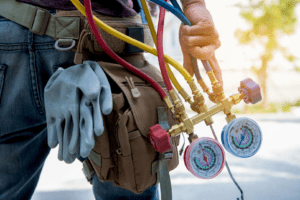 Many heating and cooling problems don’t require immediate service. Certain issues, though, can put your family’s comfort and even safety at risk if not addressed promptly. Here are five key signs you need to schedule emergency HVAC services:
What to Check Before You Call a Professional
Before you pick up the phone for an emergency service call, it’s worth running through a few simple checks. Sometimes, an HVAC system that seems broken is just experiencing a minor hiccup you can easily fix yourself. Taking a few minutes to troubleshoot can potentially save you the time and cost of a service visit. These quick steps cover the most common issues that can cause your heating or cooling to stop working. If you go through this list and your system still isn’t running properly, you’ll know it’s definitely time to call in the experts for a professional diagnosis and repair.
Check Your Thermostat
It might sound obvious, but the thermostat is the brain of your HVAC system, and it’s often the source of the problem. First, make sure it’s set to the correct mode—”cool” for your AC or “heat” for your furnace. Then, check that the temperature is set where you want it. If the screen is blank or unresponsive, it’s likely a power issue. For many digital thermostats, the fix is as simple as replacing the batteries. If your thermostat is hardwired, this could point to a different issue. If you’ve checked the settings and batteries and it’s still not working, the thermostat itself might be faulty and in need of a professional repair or replacement.
Inspect the Air Filter
A clogged air filter is one of the most frequent causes of HVAC failure. When the filter is packed with dust and debris, it severely restricts airflow. This forces your system to work much harder to circulate air, which can lead to overheating, reduced efficiency, and even a complete shutdown. Before calling for service, pull out your air filter and hold it up to a light. If you can’t see light through it, it’s time for a change. We recommend checking your filter monthly and replacing it at least every three months. Keeping up with this simple task not only prevents breakdowns but also improves your home’s air quality.
Look at the Circuit Breaker
Your HVAC system is a powerful piece of equipment that draws a lot of electricity, so it has its own dedicated circuits in your home’s electrical panel. If the system won’t turn on at all, head to your breaker box. Look for a switch that is in the “off” position or in the middle. If you find one, flip it firmly to the “off” position and then back to “on.” This will reset the circuit. However, if the breaker trips again shortly after, don’t keep resetting it. A repeatedly tripping breaker is a clear sign of a deeper electrical problem that needs immediate attention from a qualified technician to prevent a potential fire hazard.
Clear the Outdoor Unit
Your air conditioner’s outdoor unit, the condenser, needs plenty of room to breathe. Its job is to release heat from your home, and it can’t do that effectively if it’s surrounded by obstructions. Take a walk outside and inspect the area around your unit. Over time, leaves, grass clippings, dirt, and weeds can build up against the sides, blocking airflow. You should also ensure there’s at least two feet of clear space all around it, so trim back any encroaching shrubs or tree branches. Gently clearing away this debris can sometimes be all it takes to get your AC running efficiently again and is a key part of any good preventative maintenance plan.
Ensure Vents Are Open and Unblocked
Proper airflow is critical for your HVAC system to heat and cool your home evenly and efficiently. If you’re experiencing hot or cold spots, do a quick tour of your house and check all the air vents (both the supply and return registers). It’s common for vents to be accidentally closed or blocked by furniture, rugs, or curtains. Make sure every vent is open and has a clear path for air to flow. Closing vents in unused rooms might seem like a good way to save energy, but it can actually disrupt your system’s balance, increase pressure in your ductwork, and cause bigger problems down the line.
1. Is Weak Airflow Coming From Your Vents?
The importance of HVAC maintenance can’t be overstated. Regular service can prevent many emergency situations. For example, you’ll need speedy HVAC repair if you notice less air coming from your ducts. This loss of air volume can make it difficult to keep a consistent temperature in your home. There can be multiple causes of this problem. Duct damage might let air escape from your ductwork before it reaches your living spaces. A malfunctioning blower motor or loose fan belt can also cause this issue. Either way, emergency HVAC services can give you a diagnosis and repair options to restore proper airflow.
2. Your System Is Blowing the Wrong Temperature Air
If warm air is coming from your air conditioner ducts in the summer, or your heating system is putting out cool air in the winter, you will want to address the problem quickly. When caught early, you can address the issue easily — without an HVAC replacement. In most cases, incorrect temperatures result from low refrigerant levels. Since there’s a closed system containing the refrigerant, low levels usually indicate a leak. It’s important to request emergency HVAC services for this problem. Operating the system with low refrigerant can cause damage to a variety of components. Your technician can locate the leak, repair the damage, and top off the refrigerant.
3. Your System Won’t Start or Complete a Cycle
It’s always important to listen for strange HVAC noises. The type of sounds you hear can provide a clue to the underlying malfunction. Make sure you tell your HVAC technician what type of noise you hear. This can help them prepare to provide repairs. When the outdoor unit or compressor stops working, one unusual sound to listen for is a clicking noise. This often means the start capacitor is malfunctioning. Anytime you have a faulty start or run capacitors, call for emergency HVAC services right away. You typically won’t be able to operate the system without repairs.
4. Do You See Ice Forming on Your Unit?
A problem with the evaporator coils can contribute to reduced airflow. Dirty coils allow moisture to collect and freeze. As ice forms on the coils, the system may continue to run without pushing out treated air. During emergency HVAC service, the technician will clean the coils. They can also inspect the coils for damage and look for a refrigerant leak.
5. Does Your HVAC Keep Tripping the Breaker?
HVAC emergency service is also necessary if your breakers trip when you run a heating or cooling cycle. In the winter, this issue can expose you to the health risks associated with heat loss. Even in the summer, immediate repairs are critical to repair an electrical malfunction. Repeatedly tripping your breakers can increase the risks of overheating and electrical fires.
More Telltale Signs of HVAC Trouble
Beyond the major red flags that demand an emergency call, your HVAC system often sends more subtle signals that something is wrong. Paying attention to these smaller clues can help you catch problems before they escalate into a full-blown system failure, saving you from the stress and expense of a major breakdown. Think of it as your home’s way of telling you it needs a check-up. From strange smells coming through the vents to a gradual creep in your energy bills, these signs are worth investigating. Addressing them early with a professional diagnosis can keep your system running smoothly and efficiently, ensuring your home stays comfortable year-round.
Unusual Smells from Vents
Your sense of smell can be a powerful diagnostic tool for your HVAC system. If you notice any new or unpleasant odors coming from your vents, don’t ignore them. A musty or moldy smell often points to moisture buildup and potential mold growth within your ductwork or the unit itself, which can impact your home’s air quality. A sharp, burning smell could indicate an electrical problem or an overheating motor—a serious issue that requires you to turn off the system immediately and call for help. Another critical warning is the smell of rotten eggs, which is a clear sign of a natural gas leak. Each of these smells points to a different problem, but they all mean it’s time to call a professional.
Musty or Moldy Odors
If you notice a persistent musty smell when your HVAC system kicks on, it’s likely due to mold or mildew. This can happen when moisture accumulates in the drain pan, on the evaporator coils, or inside the ductwork. Not only is the smell unpleasant, but it can also circulate mold spores throughout your home, potentially aggravating allergies and respiratory issues. A professional technician can inspect your system to find the source of the moisture and clean the affected components. In some cases, a thorough professional duct cleaning may be necessary to completely remove the problem and improve your indoor air quality.
Burning or Electrical Smells
A burning or electrical smell coming from your vents is a serious warning sign that should never be ignored. This odor often indicates that a component within your HVAC system is overheating, such as the blower motor or wiring. It could be caused by a mechanical failure or a dangerous electrical issue. If you detect this smell, your first step should be to turn off your HVAC system at the thermostat and the circuit breaker to prevent further damage or a potential fire. Then, call a qualified HVAC technician for an emergency service visit immediately. Do not attempt to run the system again until it has been inspected and repaired by a professional.
Carbon Monoxide: The Silent Killer
Carbon monoxide (CO) is a colorless, odorless gas that your senses cannot detect — making a working CO detector a non-negotiable safety device in any home with gas heating. If your CO alarm sounds, evacuate immediately and call 911 from outside. Do not flip light switches or use your phone indoors. Common sources include cracked heat exchangers or improperly vented furnaces. Regular inspections through a preventative maintenance plan are the most reliable way to catch these life-threatening issues before they reach your living spaces.
Rotten Egg Smell
The smell of rotten eggs or sulfur in your home is an unmistakable sign of a natural gas leak. Natural gas is odorless, so utility companies add a substance called mercaptan to give it this distinct smell for safety reasons. If you have gas-powered heating, this is an emergency. Your first priority is to ensure your family’s safety. Do not turn any lights or appliances on or off, and do not use your phone inside the house. Evacuate your home immediately, and from a safe distance, call your gas company’s emergency line. Once the gas company has declared the area safe, you can then call an HVAC professional to inspect and repair your furnace.
A Sudden Spike in Your Energy Bills
Your monthly energy bill is a good indicator of your HVAC system’s health. While some fluctuation is normal with changing seasons, a sudden and significant spike without a corresponding change in your usage is a red flag. This often means your system has become less efficient and is working much harder to heat or cool your home. The culprit could be anything from a dirty air filter or clogged coils to a refrigerant leak or a failing motor. An inefficient system not only costs you more money each month but also puts extra strain on its components, which can lead to premature failure. If your bills are climbing, it’s wise to have a technician diagnose the issue.
Your System is Short Cycling
Have you noticed your air conditioner or furnace turning on and off in very short bursts, maybe just for a few minutes at a time? This is known as short cycling, and it’s a sign that something is wrong. This constant starting and stopping prevents your system from properly heating or cooling your home and puts excessive wear and tear on the compressor and other key parts. Short cycling can be caused by several issues, including a clogged air filter restricting airflow, an oversized system for your home’s needs, or a faulty thermostat. Whatever the cause, letting it continue will lead to higher energy bills and a shorter lifespan for your unit, so it’s best to get it checked out.
The HVAC Runs Constantly
On the opposite end of the spectrum from short cycling is an HVAC system that seems to run all the time without ever shutting off. If your system is constantly running but can’t seem to reach the temperature you’ve set on the thermostat, it’s struggling to do its job. This continuous operation is not only a major drain on your energy bill but also a clear sign of an underlying problem. It could be caused by a refrigerant leak, dirty coils, leaky ductwork that’s losing conditioned air, or a system that is simply too old or undersized to keep up with your home’s demands. A professional can identify the root cause and restore your system’s performance.
Poor Air Quality or High Humidity
Part of your air conditioner’s job is to remove excess humidity from the air, making your home feel cool and comfortable. If you notice that your home feels sticky or damp even when the AC is running, it’s a sign that your system isn’t dehumidifying properly. This can lead to a less comfortable environment and can even promote the growth of mold and mildew. Similarly, an increase in dust, allergens, or other airborne irritants could mean your system’s filtration is failing or that your ductwork needs cleaning. Addressing these issues can greatly improve your home’s comfort and the quality of the air you breathe. Investing in air quality products can also make a significant difference.
Uneven Temperatures Throughout Your Home
Are some rooms in your house perfectly comfortable while others are noticeably hotter or colder? This inconsistency in temperature is a common HVAC problem that points to an issue with air distribution. Your system should be able to deliver conditioned air evenly to every part of your home. When it doesn’t, the problem could be related to leaky or blocked ductwork, a malfunctioning zone control system, or an improperly balanced system. It might also be a sign that your HVAC unit is struggling to produce enough cool or warm air due to a failing compressor or low refrigerant. A technician can assess your system and ductwork to find the source of the imbalance and restore consistent comfort.
Water Leaks Around Your Unit
Finding a puddle near your indoor or outdoor HVAC unit is not normal. While minor condensation is expected, significant pooling usually means your condensate drain line is clogged, causing moisture to back up and overflow. Left unaddressed, this can cause serious water damage to floors, walls, and ceilings. A leak can also point to a cracked drain pan. Don’t wait for the damage to spread — contact a technician for professional AC repair as soon as you notice pooling water around your equipment.
Strange Noises (Grinding, Squealing, or Banging)
Your HVAC system should operate with a relatively quiet hum. If you start hearing loud, unusual noises, it’s your system’s way of crying for help. Sounds like grinding, squealing, or banging are never normal and usually indicate a mechanical problem. A grinding noise could mean the motor’s bearings are worn out, while a high-pitched squealing often points to a problem with a belt or motor. Loud banging or clanking sounds might be caused by a loose or broken part, such as a connecting rod or piston pin inside the compressor. Ignoring these sounds can lead to a catastrophic failure of the system, so turn it off and call for a professional inspection right away.
When Does an HVAC Problem Become a True Emergency?
Not every breakdown requires an after-hours call, but some situations do. A loss of cooling becomes a genuine emergency when outdoor temperatures exceed 90°F. A loss of heat is an emergency when temperatures drop below 40°F. In both cases, your home can reach unsafe conditions quickly. The threshold is even lower if infants, elderly individuals, or anyone with a chronic health condition lives in your home — any system failure involving vulnerable occupants warrants an immediate call regardless of outdoor temperatures. For these situations, 24/7 emergency HVAC services are available across the DFW area. For non-urgent issues in mild weather, a standard appointment protects you from premium emergency fees. Explore our pricing page to understand what to expect before you call.
Repair or Replace? How to Make the Right Call
When your HVAC system breaks down, you’re faced with a big decision: should you pay for another repair or invest in a complete replacement? It’s a tough call, especially when you’re dealing with an unexpected expense and the discomfort of a home that’s too hot or too cold. The right choice depends on several factors, including the age of your system, the frequency and cost of repairs, and your system’s overall efficiency. While a simple repair might seem like the cheaper option upfront, sinking more money into an old, inefficient unit can be more costly in the long run. Taking a moment to weigh your options can help you make a smart financial decision for the future.
Consider the System’s Age
One of the most important factors in the repair-or-replace debate is the age of your equipment. Most air conditioners and furnaces have a lifespan of about 10 to 15 years. If your system is approaching or has surpassed this age range, investing in a major repair may not be the most cost-effective solution. An older unit is likely to be less energy-efficient than modern models and will probably require more frequent repairs as other components begin to fail. Putting a significant amount of money into an aging system is often just a temporary fix before the next breakdown. In these cases, putting that repair money toward a new, high-efficiency HVAC replacement is often the wiser long-term investment.
Weigh the Cost of Repairs
The cost of the needed repair is another critical piece of the puzzle. A minor, inexpensive fix on a relatively young system is usually a no-brainer — view our pricing to understand what to expect before you call. However, when you’re looking at a repair bill that costs hundreds or even thousands of dollars, it’s time to do some math. HVAC professionals often use a couple of simple rules of thumb to help homeowners decide when a repair is no longer worth the cost. These guidelines aren’t set in stone, but they can provide a logical framework for your decision, helping you avoid over-investing in a system that’s on its last legs. By comparing the repair cost to the system’s age and replacement value, you can get a clearer picture of the best path forward.
The $5,000 Rule
A helpful guideline for this decision is the “$5,000 Rule.” To use it, you simply multiply the age of your HVAC unit in years by the estimated cost of the repair. For example, if your 10-year-old system needs a $400 repair, the total would be 10 x 400 = $4,000. If the resulting number is less than $5,000, a repair is generally considered a reasonable choice. However, if the total is more than $5,000—say, a 12-year-old unit needing a $500 repair (12 x 500 = $6,000)—then replacement becomes the more financially sound option. This rule helps you balance the immediate cost of repair against the long-term value of your aging system.
The 50% Rule
Another straightforward guideline is the “50% Rule.” This rule suggests that if the cost of a repair is 50% or more of the value of a new system, you should seriously consider replacement. For instance, if a new HVAC system would cost $6,000 to install and your current unit needs a $3,000 repair, you’ve hit that 50% mark. Pouring that much money into an old unit, especially one that is out of warranty and likely to have more issues in the future, is often not a good investment. Instead, that $3,000 could go toward a new, more reliable, and energy-efficient system — and with flexible HVAC financing options, getting started is easier than you think.
The Value of Professional HVAC Maintenance
The best way to avoid the stressful and costly dilemma of repairing or replacing your HVAC system is to take proactive care of it. Just like your car, your heating and cooling system is a complex machine that requires regular service to perform at its best. Professional maintenance is a small investment that pays huge dividends in the long run. It helps keep your system running efficiently, extends its operational lifespan, and allows technicians to spot and fix minor issues before they can turn into major, system-threatening emergencies. Scheduling routine tune-ups is one of the smartest things you can do to protect your investment and ensure your family’s comfort all year long.
What a Maintenance Visit Includes
So, what actually happens during a professional maintenance visit? A qualified technician will perform a comprehensive inspection and tune-up of your entire system. This typically includes cleaning the indoor and outdoor coils to ensure proper heat transfer, checking and tightening all electrical connections for safety, lubricating moving parts to reduce friction and wear, and inspecting the condensate drain to prevent clogs and water damage. They will also check refrigerant levels to ensure your system is cooling effectively and test thermostat calibration for accuracy. This thorough check-up ensures every component is working as it should, which is key to maintaining efficiency and reliability.
Key Benefits of Regular Tune-Ups
The advantages of sticking to a regular maintenance schedule are clear. First, it improves energy efficiency. A clean, well-tuned system doesn’t have to work as hard to heat or cool your home, which translates directly into lower energy bills. Second, it extends the life of your equipment, helping you get the most out of your investment and delaying the need for a costly replacement. Finally, it provides peace of mind. Regular inspections catch potential problems early, reducing the risk of an unexpected breakdown on the hottest or coldest day of the year. Enrolling in one of our preventative maintenance plans is an easy way to ensure your system gets the care it needs to keep you comfortable.
Know When to Call for Emergency HVAC Service
When you notice problems with your HVAC, it’s essential to call the pros as soon as possible — get a free quote from TaylorMade Heat and Air today. Taylormade Heat and Air provides superior HVAC repairs and maintenance in Texas to help keep your family comfortable all year long. Whether you need duct cleaning or AC repair in McKinney, contact us today.
Frequently Asked Questions
My AC is making a strange noise, but it’s still blowing cold air. Should I call for emergency service? It’s smart to pay attention to any new sounds your system makes. While it might still be cooling your home, noises like grinding, squealing, or banging are clear indicators of a mechanical problem. Ignoring them can lead to a much more serious and expensive failure. It’s better to call for a professional diagnosis now to fix the underlying issue before it leaves you without any air conditioning at all.
What’s the single most important thing I can do to prevent an HVAC emergency? Without a doubt, the simplest and most effective task is to regularly check and change your air filter. A clogged filter is the root cause of so many HVAC problems because it restricts airflow and forces your system to work incredibly hard. This can lead to overheating and component failure. Making a habit of checking it monthly can save you from a lot of future stress and unexpected repair bills.
Is it safe to keep resetting the circuit breaker if my HVAC system keeps tripping it? No, you should not repeatedly reset the breaker. A breaker trips to protect your home from an electrical overload, which can be a fire hazard. While a single trip might be a fluke, a breaker that keeps tripping is a serious warning sign of a dangerous electrical problem within your HVAC system. Please turn the system off and call a professional technician immediately to ensure your home’s safety.
My system is over 10 years old. Does it still make sense to pay for an emergency repair? That’s a great question, and it really depends on the cost of the repair. A good rule of thumb is to consider the age of the unit and the price of the fix. If a repair costs nearly half as much as a new system, or if you find yourself calling for frequent repairs, it’s often more financially sound to invest that money in a new, more reliable, and energy-efficient replacement.
If I see ice on my air conditioner, should I just let it melt? Ice on your AC unit, either on the indoor or outdoor components, is never a normal sign. It usually points to a problem with airflow (like a dirty filter) or a low refrigerant level, which could mean there’s a leak. Letting it melt won’t fix the root cause, and continuing to run the system can cause serious damage to the compressor. It’s best to turn the system off to thaw and call a technician to find and fix the problem.
Key Takeaways
- Check the basics before you call: Often, an HVAC issue has a simple solution. Before scheduling a service, inspect your thermostat settings, air filter, circuit breaker, and outdoor unit to rule out any easy fixes that could save you time and money.
- Recognize urgent warning signs: Some problems require immediate attention to prevent serious damage or safety risks. Call a professional right away if your system blows the wrong temperature air, repeatedly trips the breaker, makes loud grinding noises, or emits a burning smell.
- Prioritize preventative care: The most effective way to avoid stressful breakdowns is with regular, professional maintenance. Routine tune-ups keep your system running efficiently, extend its lifespan, and allow a technician to correct minor issues before they become major emergencies.
Related Articles
- How to Know When It’s Time to Replace Your Air Conditioner
- AC Repair Vs Replacement: What To Do When Your HVAC Breaks
- Heat Pump Repair: 7 Common Signs & Fixes
- Warning Signs Your AC Needs To Be Replaced: A Guide for Homeowners

Brian Hatton is a business professional and co-owner at TaylorMade Heat and Air, a trusted, Christian-based family-owned HVAC company proudly serving the Dallas-Fort Worth metroplex with 24/7 heating and air conditioning repair, installation, and maintenance solutions. Drawing on a professional background in mergers and acquisitions alongside hands-on experience at TaylorMade, Brian brings a sharp business mindset to an industry where reliability, transparency, and expertise matter most — values that are at the core of everything TaylorMade delivers to DFW homeowners and businesses across communities like Plano, Frisco, McKinney, and beyond. Connect with Brian on LinkedIn to learn more about his commitment to bringing honest, high-quality HVAC service to North Texas.