

You’ve done the research, chosen your new high-efficiency system, and scheduled the big day. Now what? The idea of technicians working in your home for a full day can bring up a lot of questions. How long will it take? What do I need to do to prepare? What actually happens when they remove the old unit? We believe a smooth installation starts with clear communication. This step-by-step guide is designed to demystify the hvac installation process. We’ll cover everything from the moment our team arrives to the final system checks, so you can feel completely at ease. Knowing what’s coming helps make the entire experience feel seamless and respectful of your home.
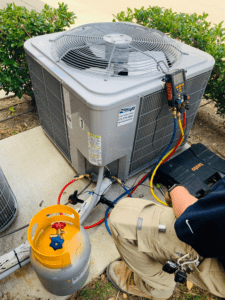 Everyone involved wants your HVAC installation to go smoothly. Your HVAC installers don’t want any surprises, and you want your new system to seamlessly integrate into your home so that it provides reliable, efficient, long-lasting temperature control and improved air quality. Therefore, in order to make the installation process problem-free, there are four key tasks to cross off your to-do list as soon as possible:
Signs You Need a New HVAC System
Deciding to replace your HVAC system can feel like a huge step, but sometimes it’s the smartest move for your comfort and your wallet. An old or failing system doesn’t just struggle to keep you comfortable; it can also be a major energy drain and a source of constant stress. If you’re on the fence, there are several clear signs that your current unit is nearing the end of its useful life. Paying attention to these clues can help you plan for a replacement before you’re left dealing with a complete breakdown during a Texas heatwave or a sudden cold snap. From the system’s age to strange noises and climbing utility bills, your home often tells you exactly what it needs. Recognizing these signs early gives you the power to make a proactive choice rather than a reactive, emergency decision.
Your System is Over 10 Years Old
One of the most straightforward indicators is your system’s age. Most HVAC systems are designed to last between 10 and 15 years. If your unit is in that range or older, it’s operating on borrowed time. Even if it seems to be working fine, older systems are significantly less energy-efficient than modern ones. Technology has advanced, and today’s units use less energy to produce the same, if not better, heating and cooling. Continuing to run an outdated system means you’re likely paying more than you need to on energy bills and missing out on the improved comfort and reliability of a new model. Thinking about a replacement now can save you from an inevitable and inconvenient failure down the road.
You’re Facing Frequent or Costly Repairs
Are you on a first-name basis with your HVAC repair technician? While a single repair is one thing, needing frequent service calls is a major red flag. If you find yourself scheduling repairs season after season, the costs can quickly add up. A good rule of thumb is to consider a replacement if a repair costs 50% or more of the price of a new system. Pouring money into an aging unit is often a losing battle. Instead of continuing to patch up an unreliable system, investing in a new air conditioning and heating replacement provides peace of mind and a dependable solution for years to come.
Your Energy Bills Are Increasing
Your utility bills are a direct reflection of your HVAC system’s efficiency. If you’ve noticed a steady, unexplained climb in your energy costs, your aging system is likely the culprit. As components wear out, the unit has to work harder and run longer to maintain the temperature set on your thermostat. This decline in efficiency means it consumes more electricity or gas, leading to higher bills. A new, high-efficiency system can make a significant difference, often reducing energy consumption and lowering your monthly expenses. It’s an investment that starts paying you back from the very first bill.
The System’s Performance is Declining
Perhaps the most frustrating sign is when your system just doesn’t seem to do its job anymore. You’re paying for comfort that you’re not getting, and that’s a clear signal that it’s time for a change. Declining performance can show up in a few different ways, from uneven temperatures throughout your home to poor air quality. These issues indicate that your system is struggling to keep up with demand and can no longer provide the consistent, comfortable environment you expect. Don’t settle for a system that can’t perform; a replacement can restore balance and comfort to your home.
Inconsistent temperatures
Do you have rooms that feel like a sauna while others feel like a freezer? When your HVAC system can no longer distribute air evenly, you get frustrating hot and cold spots. This inconsistency means the unit is failing to maintain a stable temperature throughout your house. It could be due to a loss of capacity, issues with the fan motor, or problems with your ductwork. Whatever the cause, you shouldn’t have to migrate from room to room to feel comfortable. A properly sized and installed new system will ensure every corner of your home feels just right.
Poor airflow and high humidity
Weak airflow from your vents is another sign of a struggling system. If the air trickles out, your home won’t cool down or heat up effectively. This can also lead to problems with humidity. An HVAC system is supposed to help dehumidify your home as it cools, but a failing unit can’t do this properly, leaving the air feeling sticky and damp. High humidity isn’t just uncomfortable; it can also contribute to issues like mold growth. Improving your home’s air quality starts with a system that can manage both temperature and moisture effectively.
You Notice Strange Noises or Smells
Your HVAC system should operate relatively quietly in the background. If it suddenly starts making loud, unusual noises like banging, grinding, or squealing, it’s a cry for help. These sounds often indicate serious mechanical problems, such as a broken motor bearing or a loose part. Similarly, strange odors are a cause for concern. A musty smell could signal mold in the unit or ductwork, while a burning smell might point to a dangerous electrical issue. Don’t ignore these sensory warnings; it’s best to turn the system off and call a professional right away.
Choosing the Right HVAC System for Your Home
Selecting a new HVAC system is a major decision that impacts your home’s comfort and your budget for years to come. It’s not just about picking a brand; it’s about finding the right type, size, and efficiency level for your specific needs. A system that’s perfect for your neighbor might be completely wrong for you. Key factors like the size of your home, your local climate, your existing ductwork, and your energy-saving goals all play a crucial role in the selection process. Taking the time to understand these elements ensures you invest in a system that delivers optimal performance, reliability, and long-term value. A professional consultation can help you sort through the options to find the perfect fit for your home and family.
The Importance of Proper Sizing
When it comes to HVAC systems, bigger isn’t better. Proper sizing is absolutely critical for efficiency and comfort. A system that’s too large will cool or heat your home too quickly, leading to short, frequent cycles. This constant starting and stopping drives up energy bills, puts excessive wear and tear on components, and fails to adequately dehumidify the air. On the other hand, a system that’s too small will run constantly without ever reaching the desired temperature, leading to high energy consumption and an uncomfortable home. A professional technician will perform a load calculation to determine the precise size your home needs.
Understanding Energy Efficiency Ratings
Energy efficiency ratings are your best tool for comparing how much different HVAC systems will cost to operate. These ratings are mandated by the government and provide a standardized way to measure performance. Looking for high ratings is a great way to ensure you’re getting a system that will save you money on utility bills over its lifespan. While higher-efficiency units may have a larger upfront cost, the long-term energy savings often make them a more economical choice. Think of it as an investment in lower future expenses and a more environmentally friendly home.
SEER2, AFUE, and HSPF ratings
You’ll encounter a few key acronyms when looking at efficiency ratings. For air conditioners and heat pumps, the rating to know is SEER2 (Seasonal Energy Efficiency Ratio 2), which measures cooling efficiency. The higher the SEER2 number, the more efficient the unit. For furnaces, you’ll see an AFUE (Annual Fuel Utilization Efficiency) rating, which indicates how much fuel is converted into heat. A 95% AFUE furnace means 95% of the fuel becomes heat for your home. For the heating function of a heat pump, look for the HSPF2 (Heating Seasonal Performance Factor 2). Understanding these ratings helps you make an informed choice.
Considering Your Existing Ductwork
Your new HVAC system is only as good as the ductwork it’s connected to. Leaky, poorly insulated, or improperly sized ducts can undermine the performance of even the most efficient unit, leading to energy loss and poor airflow. Before installation, it’s essential to have a professional assess the condition of your existing ductwork. They can identify and fix any issues, ensuring your new system can operate at peak efficiency from day one. In some cases, a duct cleaning or sealing might be all that’s needed to prepare for your new system.
Why Professional HVAC Installation Matters
While the temptation of a DIY project or hiring a cheaper, uncertified handyman can be strong, HVAC installation is one area where cutting corners is a bad idea. A professional installation is about more than just connecting the equipment; it’s a complex process that involves electrical wiring, refrigerant handling, and ensuring proper airflow and ventilation. An improper installation can lead to a host of problems, including poor performance, reduced efficiency, frequent breakdowns, and even serious safety hazards. Entrusting the job to trained, certified professionals is the only way to guarantee your new system is set up correctly, safely, and in a way that maximizes its lifespan and performance. It’s an investment in quality that protects your bigger investment in the equipment itself.
Ensuring Safety and Code Compliance
HVAC systems are complex machines that integrate with your home’s electrical and, in some cases, gas lines. A mistake during installation can create serious safety risks, including electrical fires or carbon monoxide leaks. Licensed professionals are trained to handle these components safely and are knowledgeable about local building codes and regulations. They ensure that every connection is secure, every safety feature is functional, and the entire installation is up to code. This protects not only your home and family but also ensures you won’t run into issues if you decide to sell your home later.
Protecting Your Manufacturer’s Warranty
Your new HVAC system comes with a manufacturer’s warranty that protects you from defects in the equipment. However, nearly all manufacturers require the system to be installed by a licensed HVAC contractor for the warranty to be valid. If you attempt a DIY installation or use an unqualified individual, you could void the warranty entirely. This means if a major component fails prematurely, you’ll be on the hook for the full cost of the repair or replacement. A professional installation by a certified team, like a Trane Comfort Specialist, ensures your warranty remains intact, giving you valuable peace of mind.
The HVAC Installation Process: A Step-by-Step Guide
Understanding what happens during an HVAC installation can make the entire experience feel much smoother and less disruptive. While it’s a major home improvement project, a professional team follows a structured process designed to be as efficient and tidy as possible. The process begins long before the new unit arrives and ends with you feeling confident about how to operate your new system. From the initial home evaluation and removal of the old equipment to the final testing and walkthrough, each step is carefully planned and executed. Knowing what to expect can help you prepare your home and your family for installation day, ensuring everything goes off without a hitch.
Pre-Installation Work
The groundwork for a successful installation is laid well before the actual day. This preparatory phase is crucial for ensuring the right equipment is selected and that the installation can proceed smoothly and legally. It involves a thorough assessment of your home’s specific needs and handling the necessary administrative tasks. This careful planning prevents surprises on installation day and is a hallmark of a professional and experienced HVAC contractor. It sets the stage for a seamless transition from your old, inefficient system to your new, high-performance one.
Site evaluation and load calculation
Before anything else, a technician will visit your home to perform a detailed site evaluation. They’ll assess your current setup, inspect your ductwork, and check your electrical panel. Most importantly, they will perform a Manual J load calculation. This calculation considers factors like your home’s square footage, insulation levels, window types, and local climate to determine the exact heating and cooling capacity your home requires. This scientific approach ensures the system is perfectly sized for maximum efficiency and comfort, taking the guesswork out of the equation.
Securing necessary permits
In most areas, installing a new HVAC system requires a permit from your local municipality. This is to ensure the work is done to code and meets all safety standards. A reputable contractor will handle the entire permitting process for you. They know what paperwork is needed and will file it correctly, ensuring your installation is fully compliant with local regulations. This step is crucial for safety, and it also protects you from potential fines or issues when you sell your home in the future.
Removing the Old System
Once the prep work is done, the first step on installation day is to safely remove your old HVAC system. This isn’t as simple as just unplugging it and hauling it away. The process involves several critical safety measures to protect the technicians, your home, and the environment. Professional technicians are trained to decommission old units methodically, ensuring that no hazardous materials are released and that all components are handled according to industry best practices. This careful removal process clears the way for your new, modern system to be installed correctly.
Following safety protocols
Safety is the top priority when removing an old HVAC unit. Technicians will start by shutting off the power to the system at the circuit breaker and turning off the gas supply if it’s a furnace. They will then carefully disconnect the electrical wiring, refrigerant lines, and ductwork. This process is done with precision to prevent any damage to your home’s infrastructure. Wearing proper protective gear, the team will then carefully remove the heavy indoor and outdoor units from your property, ensuring a clear and safe workspace for the new installation.
Proper refrigerant disposal
The refrigerant in your old air conditioner or heat pump is a chemical that can be harmful to the environment if released into the atmosphere. Federal regulations require that this refrigerant be recovered and disposed of properly. Certified technicians use specialized equipment to safely pump the refrigerant out of the old system into a certified containment tank. This ensures compliance with EPA regulations and demonstrates a commitment to environmental responsibility. This is a critical step that should only be handled by a trained and licensed professional.
Installing the New Equipment
With the old system gone, it’s time for the main event: installing your new, high-efficiency HVAC equipment. This is where the technician’s skill and precision truly shine. The process involves carefully placing both the indoor and outdoor units and then meticulously connecting all the essential lines and wiring. Every connection must be perfect to ensure the system operates efficiently, reliably, and safely. The technicians will work diligently to integrate the new system into your home, paying close attention to every detail to guarantee optimal performance from the moment it’s turned on.
Placing the outdoor and indoor units
The installation begins with setting the new units in place. The outdoor condenser or heat pump is placed on a new, level pad to ensure stability and proper drainage. The indoor unit, whether it’s a furnace or an air handler, is carefully positioned in your attic, closet, or basement. The technicians will make sure there is adequate clearance around both units for proper airflow and future maintenance. This careful placement is the foundation for a system that runs smoothly and is easy to service down the line.
Connecting refrigerant and condensate lines
Once the units are in place, the technicians will connect the various lines that allow the system to function. This includes running and connecting the refrigerant lines between the indoor and outdoor units, ensuring the connections are perfectly sealed to prevent leaks. They will also install a new condensate drain line to safely carry moisture away from the indoor unit. Finally, they will connect the system to your home’s electrical panel and install the new thermostat, making sure all wiring is secure and up to code.
System Testing and Final Walkthrough
The installation isn’t complete once the last wire is connected. The final and most critical phase involves thoroughly testing the new system to ensure everything is working exactly as it should. This commissioning process verifies that the system is running safely, efficiently, and is calibrated to deliver maximum comfort. It’s the ultimate quality control check. After testing, the technician will walk you through your new system, explaining its features and how to operate it, ensuring you feel completely comfortable and confident with your new investment.
Commissioning the system
Once everything is connected, the technician will start up the system for the first time. This is known as commissioning. They will check refrigerant levels, measure airflow, test electrical connections, and verify that all safety controls are functioning correctly. They will run the system through both heating and cooling cycles to confirm it performs to the manufacturer’s specifications. This meticulous testing process ensures your system is optimized for your specific home, guaranteeing peak performance and efficiency from the very beginning.
Homeowner orientation
The final step is to familiarize you with your new system. The lead technician will show you the new equipment and explain the work that was done. They will walk you through how to operate your new thermostat, including how to program it for energy savings. They’ll also explain any routine maintenance you can perform, like changing the air filter. This is the perfect time to ask any questions you may have. The goal is to leave you feeling empowered and knowledgeable about your new home comfort system.
What to Expect on Installation Day
Knowing what installation day will look like can help you feel prepared and at ease. A standard HVAC installation is a well-orchestrated process, but it does involve a team of technicians working in and around your home for several hours. You can expect some noise from tools and the movement of equipment, but a professional crew will do everything possible to minimize disruption to your daily routine. They will treat your home with respect, communicate with you throughout the day, and ensure you know what’s happening at each stage. By the end of the day, the goal is to leave you with a perfectly running new system and a clean workspace, with minimal inconvenience to you and your family.
Installation Duration
The time it takes to install a new HVAC system can vary, but a typical replacement of both an air conditioner and a furnace usually takes a full day, typically between 8 to 10 hours. More complex installations, such as those requiring significant ductwork modifications or relocating the equipment, could potentially extend into a second day. The installation company should give you a clear and realistic timeline beforehand so you can plan accordingly. Their goal is to work as efficiently as possible without rushing or compromising the quality of the installation.
Technician Arrival and Walkthrough
When the installation team arrives, the lead technician will typically start by doing a final walkthrough with you. They will confirm the scope of work, review the placement of the new equipment, and answer any last-minute questions you might have. This ensures everyone is on the same page before the work begins. They will also discuss their plan for bringing equipment in and out of your home and identify the best access points to minimize disruption. This initial communication is key to a smooth and transparent installation experience.
Protecting Your Home
A professional installation crew understands that they are guests in your home. You can expect them to take precautions to protect your property. This includes laying down drop cloths or floor runners on all walkways they’ll be using, from the front door to the work area. They will also wear shoe covers to avoid tracking in dirt. Their goal is to leave your home in the same condition they found it, with the only evidence of their visit being your brand new, perfectly functioning HVAC system. This respect for your home is a hallmark of a quality contractor.
A Note on New Furnace Odors
If you are having a new furnace installed, it’s normal to notice a slight burning smell the first few times it runs. This is completely harmless and is simply the factory oils and coatings on the new heat exchanger burning off. The odor is temporary and should dissipate after the furnace has run for a few hours. The technicians may run the furnace for a period after installation to help burn off some of this coating, but don’t be alarmed if you notice the smell when you turn it on for the first time yourself.
Understanding HVAC Installation Costs and Savings
A new HVAC system is one of the most significant investments you’ll make in your home, so it’s natural to have questions about the cost. The price of an installation can vary widely based on the type and size of the equipment, its efficiency rating, the complexity of the installation, and your geographic location. While the upfront cost is a major consideration, it’s also important to think about the long-term value. A new, high-efficiency system can lead to substantial savings on your monthly energy bills, and various financing options and rebates can make the initial investment much more manageable. Understanding all the financial components helps you make a decision that’s right for your budget both now and in the future.
Average Installation Costs
The cost of a new HVAC installation is not one-size-fits-all. It depends on many factors, including the brand, size, and efficiency of the unit you choose. A basic, entry-level system will cost less than a top-of-the-line, multi-stage system with the highest efficiency ratings. The complexity of the job also plays a big role; for example, an installation that requires new ductwork will cost more than a straightforward replacement. The best way to get an accurate idea of the cost for your specific home is to get a detailed, written estimate from a reputable contractor. You can learn more about our transparent pricing here.
Potential Energy Savings
While the initial cost is a key factor, the long-term savings from a new HVAC system can be significant. If you’re replacing a system that is 10 years or older, you could see a substantial reduction in your heating and cooling costs—sometimes by 20% or more. Modern systems are far more energy-efficient than their predecessors. Over the 15- to 20-year lifespan of the system, these monthly savings can add up to thousands of dollars, effectively helping the new system pay for itself over time. This makes a new HVAC unit a smart investment in your home’s value and your financial future.
Financing Options and Rebates
Many homeowners don’t have the cash on hand for a major purchase like an HVAC system, and that’s okay. Reputable HVAC companies often partner with lenders to offer flexible financing plans that allow you to pay for your new system over time with manageable monthly payments. Additionally, it’s always a good idea to ask about available rebates. Manufacturers, utility companies, and even government programs sometimes offer rebates for installing high-efficiency equipment. These incentives can help lower the overall cost of your investment, making a high-quality system more accessible.
At Taylormade Heat and Air, we understand that a new HVAC system is a significant investment, which is why we offer flexible financing options to help DFW homeowners manage the cost.
We believe every family deserves to be comfortable in their home without breaking their budget. That’s why we’ve partnered with trusted financial institutions to provide a range of financing solutions tailored to your needs. Our simple application process and competitive rates make it easy to get the new, reliable HVAC system you need now and pay for it over time. Our team can walk you through the available options and help you find a plan that fits comfortably within your budget, ensuring you don’t have to put off essential home comfort.
Clear the Way for Your HVAC Installation
First, make sure you clear a path for the techs who will handle the HVAC installation services. From the entryway to every work area, they should be able to get through without bending and leaning over or around obstacles. You may even need to clear paths in your attic or near walls where the crew will have to put in ducts, refrigerant lines, wiring, or thermostat controls. As part of that process, any valuables you want to keep safe, be they art, furniture, keepsakes, or anything else of the sort, will need to be moved to a new location as well. Once your interior is taken care of, head outside. Unlock gates and block them open, move your patio furniture, and trim any bushes or trees that may be in the way or drop leaves and debris into the new HVAC unit. Look for any trip hazards, too, as you don’t want anyone falling as they walk around your property.
Keep Kids and Pets Safe During Installation
Children and animals cannot get in the way during installation. Not only can they seriously slow down the process, but the tools and materials the techs use can also pose considerable danger should your kids or pets come into contact with them. As the installation progresses, the crews may need to cut into drywall or flooring, which can expose harmful construction materials and contaminants to the air as well. If you have separate rooms or a fenced-in yard, those can be good places to take your children and pets. If not, see if any neighbors or family members can watch them for the day.
Coordinate Schedules with Your HVAC Team
Service techs can only install HVAC systems in houses they can actually get into. Therefore, you must go over your schedule with the installation team to ensure they know exactly when they can and can’t enter your home. If you need to leave suddenly or be away from the house during normal working hours, make sure the team has your phone number to get ahold of you.
Walk Through the Installation Plan with Your Tech
Discuss the installation procedures with your installer, garnering a general idea of where the crew will be during each part of the installation. Going over these details ahead of time will prevent miscommunications and help the workers know where they need to go and how long they have to work, as well as what to do and who to contact in case of an emergency.
Why Pre-Installation Prep Directly Affects Your Results
Most HVAC guides focus on what happens during and after installation — the equipment specs, efficiency ratings, and warranty details. This guide is different. The four preparation steps above exist because homeowner readiness is one of the most controllable variables in how well an installation goes, and most homeowners don’t realize how directly their actions connect to the outcome.
Here’s the practical link: when technicians have clear, unobstructed access to every work area, they spend their time on precision — not problem-solving around furniture, pets, or locked gate latches. That means your load calculation gets completed accurately, your refrigerant lines get run correctly on the first attempt, and your final system walkthrough happens when everyone is focused rather than rushed.
Preparation also reduces the likelihood of a return visit. A second trip to address something that could have been handled on day one — a blocked condenser area, an unreachable attic access point, a schedule conflict mid-installation — adds time and, in some cases, cost. The four steps in this guide are specifically designed to eliminate those friction points before they happen.
This prep-focused approach is also how you get the most out of the installation service itself. When you work with a team experienced in full air conditioning and heating replacement and installation, they arrive expecting a ready home. Meeting that expectation means your technicians can focus entirely on calibrating, testing, and optimizing your new system — not navigating avoidable obstacles. The result is a system that performs correctly from day one, with no follow-up calls needed.
Ready for a Seamless HVAC Installation?
When you partner with a professional HVAC installer, you get peace of mind that your new system will run smoothly, efficiently, and reliably. Taylormade Heat and Air has the experience and expertise to make your HVAC installation seamless! Contact us and get the comfortable air you deserve.
Frequently Asked Questions
How long will my home be without AC or heat during the installation? You can expect the power to your HVAC system to be off for most of the installation, which typically lasts between 8 to 10 hours. Our team works as efficiently as possible to minimize this downtime. We recommend planning for the temperature change by perhaps scheduling the installation on a milder day or making temporary arrangements to stay comfortable elsewhere for the peak hours of the day.
Do I need to be present for the entire installation process? It’s most helpful if you are home at the beginning of the day for the initial walkthrough and at the end for the final orientation. During the middle of the installation, you don’t have to stay, as long as our technicians have safe access to the work areas. We just want to ensure we can review the plan with you before we start and show you how to operate your new system before we leave.
What happens to my old HVAC equipment after you remove it? You don’t have to worry about a thing. Our service includes the complete removal and responsible disposal of your old system. We safely recover any remaining refrigerant according to EPA regulations and ensure all metal components are properly recycled. We handle the entire process so you aren’t left with a large piece of equipment to deal with.
Will my new system be a lot louder than my old one? Actually, you’ll likely find that your new system is significantly quieter. Modern HVAC technology has improved a lot, with a strong focus on reducing operational noise. A properly sized and professionally installed unit should run smoothly and quietly in the background, providing comfort without the loud clanking or rattling you may have gotten used to with your old system.
What kind of maintenance will my new system need to keep running well? Your new system is a major investment, and a little routine care goes a long way in protecting it. The most important task for you is to change the air filter regularly, usually every 1 to 3 months. Beyond that, we highly recommend scheduling a professional tune-up once a year. This allows a technician to clean and inspect the system to ensure it continues to run safely and efficiently for years to come.
Key Takeaways
- Know when it’s time for an upgrade: If your system is over a decade old, needs frequent repairs, or causes high energy bills, it’s likely time for a replacement. Choosing the right new system means focusing on correct sizing, not just power, and understanding efficiency ratings to get the best long-term value.
- A professional installation protects your investment: Hiring a certified technician is non-negotiable. They handle everything from permits and safe refrigerant disposal to meticulous system testing, which ensures your equipment runs efficiently and your manufacturer’s warranty stays valid.
- Prepare your home for a smooth installation day: You can help the process go seamlessly by clearing a path to all work areas, securing pets and children in a separate space, and doing a final walkthrough with the lead technician to confirm the plan before they begin.
Related Articles
- Top 4 Handy Tips To Prepare Your Home For HVAC Installation
- Average Cost of Furnace and Air Conditioner Replacement Explained
- Fight Indoor Air Pollution With Smart HVAC System Solutions
- Essential Winter HVAC Maintenance Tips | Taylormade
- Ductless Air Conditioner Cost: A Full Breakdown

Brian Hatton is a business professional and co-owner at TaylorMade Heat and Air, a trusted, Christian-based family-owned HVAC company proudly serving the Dallas-Fort Worth metroplex with 24/7 heating and air conditioning repair, installation, and maintenance solutions. Drawing on a professional background in mergers and acquisitions alongside hands-on experience at TaylorMade, Brian brings a sharp business mindset to an industry where reliability, transparency, and expertise matter most — values that are at the core of everything TaylorMade delivers to DFW homeowners and businesses across communities like Plano, Frisco, McKinney, and beyond. Connect with Brian on LinkedIn to learn more about his commitment to bringing honest, high-quality HVAC service to North Texas.